

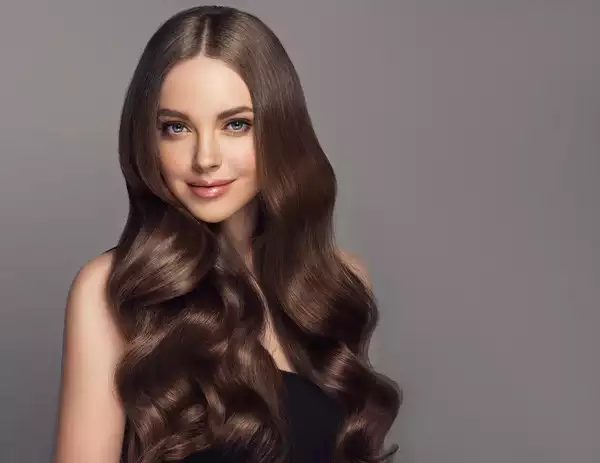
Unlocking the Power of Keratin Hair Therapy starts with understanding what the treatment can realistically do for your hair. Keratin is a structural protein naturally found in hair, skin, and nails. Professional keratin treatments are designed to coat or condition the hair and can temporarily make strands look smoother, shinier, and easier to manage.
For people dealing with frizz, rough texture, or difficult-to-style hair, keratin treatments can provide a smoother appearance and reduce styling time. However, results vary depending on the formula, technique, hair condition, and aftercare.
It is also important to understand that a salon keratin treatment is not the same as simply applying keratin to the hair. Some smoothing formulas rely on chemicals and heat to produce their results. Therefore, choosing a reputable salon and understanding the ingredients in the treatment are important steps.
What Is Keratin Hair Therapy?
Keratin hair therapy refers to professional hair-smoothing or conditioning treatments that use keratin or keratin-related ingredients as part of the formulation.
Hair already contains keratin, which contributes to its structure and strength. External treatments can temporarily improve the surface feel of damaged or porous hair by filling or coating areas of the hair shaft.
The exact process varies between salon treatments. Some formulas are designed primarily for conditioning, while others are marketed for significant smoothing or straightening.
Consequently, you should always ask your stylist which specific formula is being used and what results you can reasonably expect.
How Does Keratin Hair Therapy Work?
During a professional treatment, the stylist typically applies the product to sections of clean hair.
The formula is distributed through the hair before being processed according to the manufacturer’s instructions. Heat may then be used to help seal or set the treatment.
This combination can temporarily reduce the appearance of frizz and make the hair surface feel smoother.
However, keratin treatments do not permanently rebuild damaged hair from within. Hair is a non-living fiber once it emerges from the scalp, so treatments primarily improve its appearance and manageability.
Unlocking the Power of Keratin Hair Therapy: Key Benefits
When performed correctly, a keratin treatment may offer several cosmetic benefits.
Smoother-Looking Hair
One of the main reasons people choose keratin treatments is their smoothing effect.
The treatment can help reduce the appearance of frizz and make the hair feel softer and more polished.
Reduced Frizz
Humidity can cause hair to swell and become frizzy, particularly in textured or porous hair.
A smoothing treatment can help reduce this effect temporarily, making the hair easier to control.
Easier Styling
Smoother strands often require less effort to style.
As a result, some people may spend less time blow-drying or straightening their hair after treatment.
Increased Shine
When the hair surface becomes smoother, light can reflect more evenly from the strands.
This can create the appearance of shinier, healthier-looking hair.
Improved Manageability
Keratin treatments may make brushing and styling easier, particularly for coarse or highly frizzy hair.
Still, the effect is cosmetic and temporary. Regular maintenance is necessary if you want to preserve the result.
Who Can Benefit From Keratin Hair Therapy?
Keratin treatments may be particularly appealing to people who experience:
- Persistent frizz
- Coarse hair texture
- Difficult-to-manage hair
- Humidity-related frizz
- Rough-looking strands
- Excessive styling time
- Hair that becomes difficult to control after washing
However, suitability depends on your hair’s current condition.
Very fragile, severely bleached, or heavily processed hair may not tolerate additional chemical processing and high heat well. In such cases, a professional hair assessment should come first.
Keratin Treatment for Different Hair Types
Every hair type can respond differently to a smoothing treatment.
Keratin Therapy for Curly Hair
Curly hair may become smoother and more manageable after treatment.
However, the final result depends heavily on the formula and technique. Some treatments reduce frizz while preserving some curl, whereas others can significantly loosen the natural curl pattern.
Discuss your desired result with your stylist before treatment.
Keratin Therapy for Wavy Hair
Wavy hair may appear smoother and more uniform after treatment.
If your goal is to reduce frizz rather than completely straighten the hair, tell your stylist so they can select an appropriate approach.
Keratin Therapy for Fine Hair
Fine hair can sometimes become weighed down by smoothing products.
A lighter treatment may be more appropriate, depending on the hair’s condition. Your stylist should assess the strands before applying a professional formula.
Keratin Therapy for Colored Hair
Color-treated hair requires additional consideration.
Chemical processing and heat may affect color-treated strands differently. Ask your stylist whether the treatment is compatible with your current color service and how long you should wait between treatments.
Unlocking the Power of Keratin Hair Therapy: Risks and Considerations
Although keratin treatments can provide attractive cosmetic results, they are not completely risk-free.
Chemical Exposure
Some hair-smoothing products have historically contained or released formaldehyde or formaldehyde-releasing chemicals when heated.
Exposure can irritate the eyes, nose, throat, skin, and respiratory system. The U.S. Food and Drug Administration (FDA) provides safety information about formaldehyde exposure from certain hair-smoothing products.
Therefore, ask the salon for the product’s ingredient list and safety information before treatment.
Heat Damage
Many keratin smoothing services involve high-temperature flat ironing.
Excessive heat can weaken hair, particularly when strands are already dry, bleached, or chemically processed.
Scalp Sensitivity
Some people may experience irritation from treatment chemicals.
If you have a sensitive scalp or known product allergies, discuss these concerns with your stylist before the appointment.
Hair Texture Changes
A smoothing treatment can alter the way your natural hair behaves.
If preserving your natural curl or wave pattern is important to you, ask how the specific treatment is expected to affect your texture.
How to Prepare for a Keratin Hair Treatment
Preparation can help you make a safer and more informed decision.
Discuss Your Hair History
Tell your stylist about previous coloring, bleaching, relaxing, perming, or smoothing treatments.
This information helps them assess whether your hair can tolerate another chemical service.
Ask About the Formula
Do not hesitate to ask which product will be used.
Request information about the ingredients, processing time, ventilation, and expected results.
Consider a Strand Test
A strand test can help reveal how your hair responds before the treatment is applied to your entire head.
This may be especially useful for fragile, bleached, or highly processed hair.
Choose a Well-Ventilated Salon
Good ventilation is important when working with chemical hair-smoothing products.
If strong fumes cause discomfort, leave the area and discuss safer alternatives with your stylist.
Keratin Hair Therapy Aftercare Tips
Proper aftercare can help maintain the appearance of your treatment.
Follow Your Stylist’s Washing Instructions
Different keratin treatments have different aftercare requirements.
Some may require waiting before the first wash, while others are designed to be washed sooner. Follow the instructions provided for your specific treatment.
Use Suitable Hair Products
Your stylist may recommend products that are compatible with the treatment.
Avoid randomly adding strong clarifying or chemical treatments immediately afterward because they may affect the longevity of the cosmetic result.
Limit Excessive Heat
Although treated hair may be easier to style, repeated high heat can still cause damage.
Use a heat protectant and choose moderate temperatures whenever possible.
Protect Hair From Chlorine
Swimming pools can expose hair to chlorine and other chemicals.
If you swim regularly, ask your stylist how to protect treated hair and which cleansing routine is appropriate afterward.
Keep Hair Hydrated
Use a conditioner or hair mask suitable for your hair type.
Hydrated strands generally feel softer and are easier to manage.
For additional hair-care advice, explore SkinwiseDaily for guides on damaged hair, hair serums, and healthy hair routines.
How Long Does a Keratin Treatment Last?
The longevity of a keratin treatment varies.
Your results can depend on:
- Treatment formula
- Hair texture
- Washing frequency
- Hair-care products
- Heat styling
- Swimming
- Individual hair condition
- Professional application technique
Some treatments may last several weeks or months, while others have shorter-lasting effects.
Therefore, follow the specific product’s aftercare instructions rather than assuming every keratin treatment has the same lifespan.
Keratin Therapy vs. Traditional Hair Straightening
Keratin smoothing and permanent chemical straightening are not identical.
Keratin treatments are generally designed to smooth and reduce frizz temporarily. Traditional straightening systems can chemically alter the hair’s structure more permanently.
The right option depends on your desired result and hair condition.
If your goal is simply to control frizz while maintaining some natural texture, a smoothing service may be more appropriate than a permanent straightening treatment.
Can Keratin Therapy Repair Damaged Hair?
Keratin treatments can make damaged hair look and feel smoother, but they should not be considered a permanent cure for structural hair damage.
Hair damage can result from bleaching, coloring, repeated heat styling, chemical processing, friction, and environmental exposure.
A professional treatment may temporarily improve the surface appearance. However, damaged hair cannot be completely restored to its original biological state.
For severely damaged hair, reducing chemical processing, trimming split ends, conditioning regularly, and minimizing heat may be more beneficial.
Natural Alternatives to Keratin Treatments
If you prefer not to undergo chemical smoothing, several habits can improve the appearance and manageability of your hair.
Deep Conditioning
Regular conditioning can improve softness and reduce the rough feeling associated with dry hair.
Leave-In Conditioner
A leave-in conditioner can help reduce tangling and improve manageability.
Heat Protection
Always use an appropriate heat protectant before using hot styling tools.
Reduce Chemical Processing
Spacing out bleaching, coloring, relaxing, and other chemical services can reduce cumulative stress on the hair.
Gentle Detangling
Use a suitable comb or brush and avoid aggressive pulling, particularly when hair is wet.
Common Mistakes to Avoid
Choosing a Treatment Based Only on Price
A low-cost treatment is not necessarily a good deal if the product or salon does not provide adequate safety information.
Ignoring Ingredients
Always ask what formula is being used.
A professional salon should be able to provide product information when requested.
Applying Keratin Treatments Too Frequently
Repeated chemical and heat exposure can contribute to dryness and breakage.
Allow your hair enough time between treatments and follow professional advice.
Expecting Permanent Results
Keratin smoothing is generally temporary.
Your hair will gradually return toward its untreated appearance as the treatment wears off and new hair grows.
When Should You Avoid a Keratin Treatment?
Consider postponing treatment if your hair is:
- Extremely brittle
- Severely bleached
- Breaking significantly
- Recently subjected to multiple chemical treatments
- Experiencing unexplained scalp irritation
Similarly, if you have a known sensitivity to ingredients in a smoothing product, discuss alternatives with a qualified professional.
Frequently Asked Questions
What is keratin hair therapy?
Keratin hair therapy is a category of professional hair-smoothing or conditioning treatments that use keratin or keratin-related ingredients to improve the appearance, smoothness, and manageability of hair.
Is keratin therapy good for damaged hair?
It can temporarily make damaged hair look smoother and feel softer. However, it does not permanently reverse structural damage.
Reducing heat and chemical processing, conditioning regularly, and trimming severely damaged ends can also help improve hair appearance.
Does keratin treatment cause hair loss?
A properly performed treatment should not be considered a direct treatment for hair loss. However, excessive chemical processing or heat can contribute to hair breakage.
If you experience actual hair shedding from the scalp, consult a dermatologist to determine the cause.
How long does keratin hair therapy last?
The duration varies depending on the formula, hair type, washing routine, and aftercare. Many professional smoothing treatments are temporary and gradually fade.
Can I use keratin treatment on colored hair?
Some keratin treatments can be used on color-treated hair, but compatibility depends on the specific formula and the condition of your hair.
Always discuss your color history with your stylist beforehand.
Is keratin treatment safe?
Safety depends on the ingredients, application method, ventilation, and individual sensitivity.
The FDA warns that certain hair-smoothing products may release formaldehyde when heated, so consumers should understand the ingredients and follow safety precautions.
Can keratin treatment permanently straighten curly hair?
Not all keratin treatments permanently straighten hair.
Some reduce frizz and loosen curls, while others produce a stronger smoothing effect. Ask your stylist exactly how the chosen formula is expected to affect your natural texture.
How should I care for hair after keratin treatment?
Follow the treatment-specific instructions provided by your stylist. Generally, gentle cleansing, appropriate conditioning, limited excessive heat, and careful handling can help maintain healthier-looking hair.
Can I do a keratin treatment at home?
Home keratin products vary considerably.
Because professional smoothing treatments may involve chemicals and high heat, salon application by an experienced professional can provide better control over the process and safety precautions.
Does keratin make hair grow faster?
Keratin treatments primarily improve the cosmetic appearance and manageability of existing hair.
They should not be considered a proven method for increasing the biological rate of hair growth.
Final Thoughts
Unlocking the Power of Keratin Hair Therapy means understanding both its cosmetic benefits and its limitations.
A professional keratin treatment can make frizzy, coarse, or difficult-to-manage hair appear smoother and shinier. It may also reduce styling time and improve manageability.
However, the treatment does not permanently repair damaged hair or treat every type of hair loss. Chemical exposure and high heat can also create risks, particularly when hair is already fragile.
For the best experience, choose a reputable professional, ask about the exact formula, discuss your hair history, and follow the recommended aftercare routine.
Most importantly, focus on realistic results. Healthy-looking hair comes from consistent care, gentle handling, appropriate conditioning, and responsible use of chemical and heat-based treatments.
Build a Better Hair-Care Routine With SkinwiseDaily
Looking for more practical hair and beauty advice? Visit SkinwiseDaily for informative guides on hair treatments, skincare ingredients, beauty routines, and product choices.
Explore our hair-care content to learn how to manage damaged, dry, frizzy, or difficult-to-style hair while making informed choices about professional treatments.
Healthy-looking hair starts with informed decisions, gentle care, and a routine that works for your individual hair needs.
Leave a Reply
You must be logged in to post a comment.