

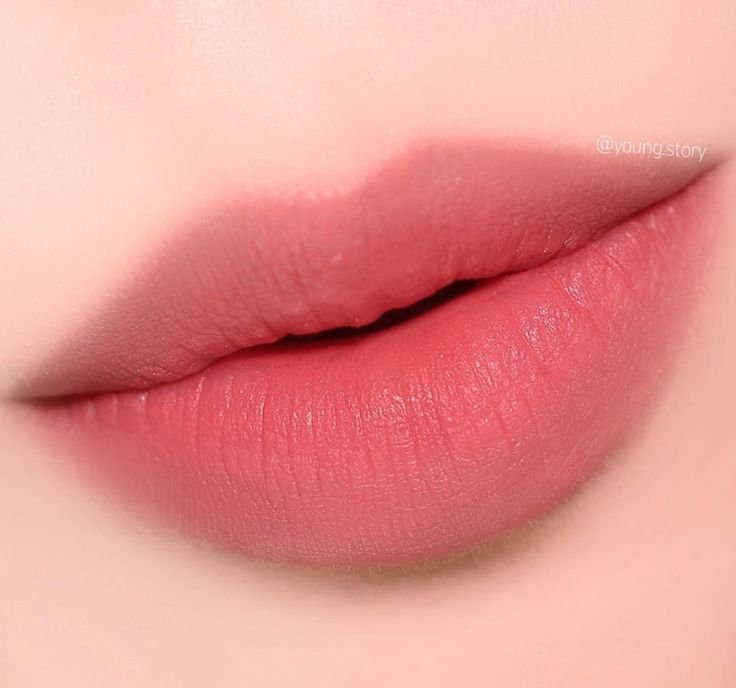
Dry, tight, or flaky lips can make even a simple makeup look feel uncomfortable. The right lip balm can help protect the delicate skin on your lips while reducing moisture loss and keeping them feeling soft. Best Natural Lip Balms for Hydration and Care can be especially appealing if you prefer simple formulas containing plant oils, butters, and waxes.
However, choosing a good lip balm is not only about finding a product labeled “natural.” Ingredients, fragrance, sun protection, and your individual skin sensitivity all matter. Dermatologists generally recommend gentle, non-irritating formulas for dry or chapped lips and advise avoiding ingredients that can trigger irritation.
This guide explains which ingredients to look for, which ones may irritate dry lips, how to use lip balm effectively, and how to build a simple lip-care routine.
Why Do Lips Become Dry and Chapped?
The skin on the lips is delicate and can lose moisture easily. Cold weather, dry air, wind, sun exposure, dehydration, and frequent lip licking can all contribute to dryness.
Unlike many areas of the face, lips also have less natural protection against environmental stress. As a result, they may quickly feel tight, rough, or uncomfortable.
Common causes of dry lips include:
- Cold or windy weather
- Low humidity
- Excessive sun exposure
- Frequent lip licking
- Picking or biting peeling skin
- Dehydration
- Irritating lip products
- Fragrances or strong flavoring ingredients
The American Academy of Dermatology recommends using non-irritating lip products and applying them regularly, especially when lips are dry or exposed to harsh weather.
Best Natural Lip Balms for Hydration and Care: Ingredients to Look For
When shopping for a natural-style lip balm, focus on what the formula actually contains rather than relying only on marketing claims. A well-formulated balm may combine moisturizing, softening, and protective ingredients.
Shea Butter for Soft, Nourished Lips
Shea butter is a popular ingredient in lip-care products because it helps soften dry skin and provides a rich, comfortable feel.
It works well in balm formulas because it can help condition rough areas while supporting a smoother-looking lip surface. For people who prefer creamy, nourishing textures, shea butter can be an excellent ingredient to consider.
Beeswax for Protective Lip Care
Beeswax is commonly used in traditional lip balms because it creates a lightweight protective layer over the lips.
This type of barrier can help reduce moisture loss and protect the lips from environmental exposure. Beeswax also gives balms their characteristic firm texture, making it useful in stick and pot formulations.
If you have a known sensitivity to bee-derived ingredients, however, choose a different formula.
Jojoba Oil for Everyday Lip Hydration
Jojoba oil is another plant-derived ingredient often found in moisturizing products. Its lightweight texture makes it suitable for people who dislike thick or sticky lip products.
A lip balm containing jojoba oil can provide a smooth application while helping soften rough, dry areas.
Castor Seed Oil for a Smooth Finish
Castor seed oil is recommended among ingredients that may help dry lips, according to dermatology guidance.
It is particularly common in lip products because it gives formulas a smooth, glossy feel. When combined with waxes and butters, it can make a balm comfortable for everyday use.
Ceramides for the Lip Barrier
Ceramides are lipids naturally associated with the skin barrier. They can be useful in products designed to support dry, compromised skin.
Although ceramides are not always considered a traditional “natural” ingredient, they are worth knowing about when your primary goal is effective lip barrier care rather than a strictly plant-based formula.
The American Academy of Dermatology lists ceramides among ingredients that may help dry, chapped lips.
Plant Oils and Butters
Depending on your preferences, you may also see ingredients such as:
- Sunflower seed oil
- Coconut oil
- Cocoa butter
- Hemp seed oil
- Sweet almond oil
- Olive oil
- Mango butter
- Avocado oil
Remember that plant-derived does not automatically mean irritation-free. Sensitive lips may react to certain essential oils, fragrances, or flavoring agents, so always check the full ingredient list.
How to Choose a Natural Lip Balm for Dry Lips
The best balm depends on the condition of your lips and your personal preferences.
For everyday dryness, look for a simple formula with nourishing oils, butters, or waxes. If your lips are severely cracked, a thicker ointment may provide better protection than a lightweight balm.
For sensitive lips, fragrance-free and hypoallergenic options are generally preferable. Dermatologists specifically recommend avoiding ingredients that can irritate already-dry lips.
For Very Dry or Cracked Lips
Choose a richer formula containing protective ingredients such as petrolatum, shea butter, dimethicone, or mineral oil. While some of these ingredients may not fit a strictly plant-based definition of “natural,” they have strong practical value for moisture protection.
The goal is to reduce water loss and give damaged skin time to recover.
For Sensitive Lips
Keep the ingredient list simple. Avoid unnecessary fragrance, strong flavoring, and cooling ingredients.
The American Academy of Dermatology advises avoiding camphor, menthol, eucalyptus, certain flavorings, fragrance, phenol, salicylic acid, and several other potential irritants when lips are chapped.
For Daytime Lip Protection
Consider an SPF lip balm if you spend time outdoors. Dermatologists recommend lip products with SPF 30 or higher for sun protection. Zinc oxide and titanium dioxide are among the sun-protective ingredients recommended by dermatology sources.
Natural Lip Balm Ingredients to Avoid When Lips Are Chapped
A natural-looking label does not guarantee that a product will be gentle. Some botanical extracts and essential oils can cause irritation, particularly when the lips are already cracked.
Be cautious with:
- Menthol
- Camphor
- Eucalyptus
- Strong mint flavor
- Cinnamon flavor
- Citrus flavor
- Added fragrance
- Phenol
- Salicylic acid
A cooling or tingling sensation is not necessarily a sign that a lip balm is working. In fact, dermatologists warn that burning, stinging, or discomfort can indicate irritation.
If a lip product consistently makes your lips sting or feel drier, stop using it and switch to a simpler formula.
How to Use Lip Balm for Better Hydration
Even a well-formulated lip balm will work best when used consistently.
Try this simple routine:
Morning: Apply a gentle lip balm after brushing your teeth and before makeup.
During the day: Reapply whenever your lips feel dry, especially after eating or drinking.
Before going outdoors: Use an SPF 30+ lip product when your lips will be exposed to sunlight.
Before bed: Apply a richer balm or ointment to help protect your lips overnight.
For severely dry lips, dermatologists recommend applying a non-irritating balm several times daily and before bedtime.
Simple Habits for Healthier Lips
Lip balm is only one part of good lip care. Small daily habits can make a noticeable difference.
Drink Enough Water
Hydration supports overall skin health. If you frequently experience dry lips, make sure you are drinking enough fluids throughout the day.
Stop Licking Your Lips
Lip licking may provide temporary relief, but saliva evaporates quickly and can leave the lips feeling even drier. Repeated licking can also contribute to irritation.
Instead, apply a gentle balm when your lips feel tight.
Avoid Picking Peeling Skin
It can be tempting to pull away flakes, but picking or biting can create small cracks and delay healing.
Allow the skin to recover naturally while keeping it protected with a suitable balm.
Protect Lips From Weather
Cold air and wind can quickly dry the lips. During harsh weather, apply a protective balm and consider covering your mouth with a scarf when outdoors.
Keep Your Routine Simple
You do not need a complicated lip-care routine. A gentle balm, regular application, hydration, and sun protection can be enough for many people.
Are Natural Lip Balms Better Than Regular Lip Balms?
Not necessarily. The word “natural” does not automatically mean a product is safer, more moisturizing, or better suited to your lips.
The most important factors are the formula, ingredient quality, tolerance, and purpose. For example, someone with severely cracked lips may benefit more from a simple occlusive ointment than from a heavily fragranced botanical balm.
Therefore, choose based on your lips rather than the marketing label.
If your priority is moisture, look for ingredients that help soften the skin and reduce water loss. If your lips are sensitive, prioritize fragrance-free formulas. If you spend time outdoors, choose SPF protection.
Best Natural Lip Balms for Hydration and Care: Our Final Take
The Best Natural Lip Balms for Hydration and Care are not necessarily the most expensive or the ones with the longest ingredient lists. A good lip balm should make your lips feel comfortable, protected, and less prone to dryness.
Look for nourishing ingredients such as shea butter, beeswax, jojoba oil, castor seed oil, and other skin-conditioning oils. For severely dry lips, barrier-supporting ingredients such as petrolatum, ceramides, or dimethicone can also be useful.
Most importantly, avoid formulas that burn, sting, or repeatedly make your lips feel worse. Dermatology guidance supports keeping lip care gentle, consistent, and protective.
For more practical skincare and beauty advice, explore the latest guides on SkinWiseDaily.
Frequently Asked Questions
What is the best natural ingredient for dry lips?
There is no single best ingredient for everyone. Shea butter, beeswax, jojoba oil, castor seed oil, and other conditioning oils can help soften dry lips. For very dry or cracked lips, thicker occlusive ingredients may provide stronger moisture protection.
How often should I apply natural lip balm?
You can apply lip balm whenever your lips feel dry. Dermatologists recommend using a non-irritating balm several times throughout the day and before bedtime when lips are chapped.
Is beeswax good for chapped lips?
Yes, beeswax can be useful in lip balm because it helps form a protective layer. However, people with sensitivities to bee-derived ingredients should choose a different option.
Can natural lip balm make lips more dry?
Yes, a lip balm can irritate some people depending on its ingredients. Fragrance, menthol, camphor, eucalyptus, and strong flavorings may aggravate already-sensitive lips. If a balm causes burning or stinging, discontinue it.
Should I use SPF lip balm every day?
If your lips are exposed to sunlight, SPF lip protection is a smart addition to your routine. Dermatologists recommend choosing SPF 30 or higher when spending time outdoors.
What should I avoid in lip balm for sensitive lips?
For sensitive or chapped lips, consider avoiding fragrance, menthol, camphor, eucalyptus, cinnamon or citrus flavoring, phenol, and salicylic acid. A simple, fragrance-free formula is often a better starting point.
When should I see a dermatologist for dry lips?
If persistent dryness, cracking, bleeding, swelling, pain, or irritation does not improve with gentle home care, speak with a healthcare professional. Ongoing lip problems can sometimes have causes beyond simple dryness.
For additional dermatologist-backed information, see the American Academy of Dermatology’s guide to dry, chapped lips and Cleveland Clinic’s chapped-lips guide.
Final CTA
Healthy-looking lips start with simple, consistent care. Choose a gentle balm, protect your lips from sun and weather, stay hydrated, and avoid ingredients that cause irritation. For more evidence-informed skincare, beauty, and wellness tips, visit SkinWiseDaily and discover practical routines designed for healthier-looking skin.
Leave a Reply
You must be logged in to post a comment.