

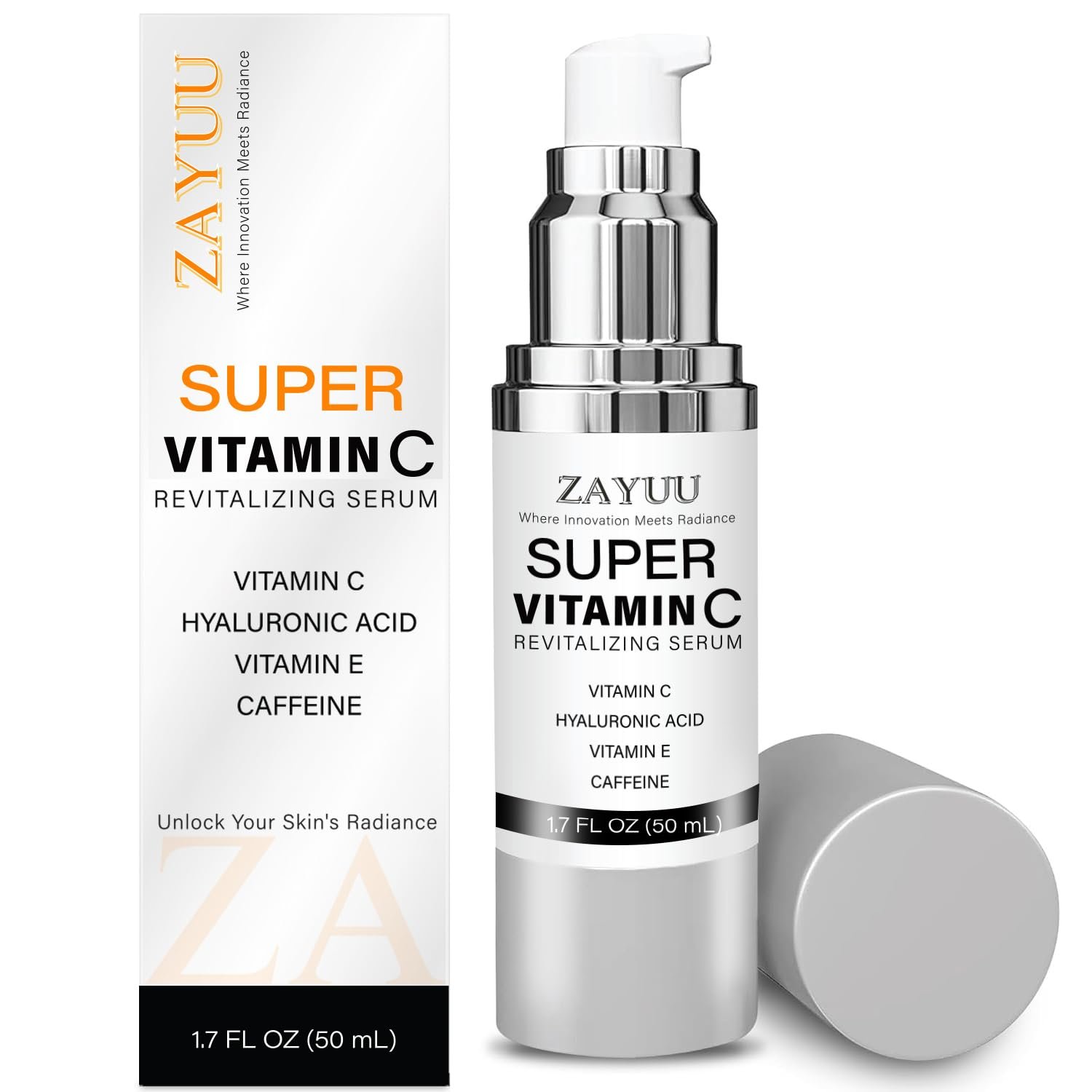
Finding the Best Vitamin C Serum for Wrinkles can feel overwhelming because so many formulas use different concentrations and forms of vitamin C. Fortunately, understanding a few key ingredients can make your choice much easier.
Vitamin C is a popular antioxidant in modern skincare. It helps defend the skin against oxidative stress and also plays an important role in normal collagen production. As a result, many people include it in routines designed to address fine lines, dullness, and visible signs of photoaging.
However, a serum cannot stop the natural aging process. Instead, it can complement a well-rounded routine that includes moisturizer, gentle cleansing, and daily sunscreen.
For anyone concerned about premature skin aging, consistent sun protection is particularly important. In addition, choosing a stable and suitable vitamin C formula can help you get more from your skincare routine.
What Does Vitamin C Do for Wrinkles?
Vitamin C works as an antioxidant when applied to the skin. It can help neutralize reactive molecules created by environmental stressors, including UV exposure.
Collagen also plays an important role in maintaining skin firmness and structure. Since vitamin C contributes to normal collagen synthesis, it has become a popular ingredient in products targeting fine lines and photoaging.
Research has investigated topical vitamin C for wrinkles, pigmentation, and skin texture. Results are promising, although studies differ in concentration, formulation, and duration. Therefore, researchers continue to evaluate which vitamin C formulas provide the most consistent benefits.
In practical terms, vitamin C is best viewed as a supportive anti-aging ingredient. It may improve the appearance of fine lines and uneven tone, but it should not be considered a permanent wrinkle treatment.
Best Vitamin C Serum for Wrinkles: Which Type Should You Choose?
Vitamin C does not come in just one form. Instead, skincare products can contain pure vitamin C or several different derivatives.
Choosing the right type depends on your skin, the formula, and your tolerance.
L-Ascorbic Acid for Fine Lines
L-ascorbic acid is one of the most researched forms of topical vitamin C. It has strong antioxidant activity and is widely used in products designed for photoaging concerns.
There is one important consideration: stability. L-ascorbic acid can degrade when exposed to oxygen, heat, light, or unsuitable formulation conditions.
For that reason, a high percentage does not automatically mean a better product. A stable formula with appropriate packaging may be more useful than a stronger serum that quickly loses its effectiveness.
Vitamin C Derivatives for Sensitive Skin
Some products use vitamin C derivatives instead of pure L-ascorbic acid. These forms are often chosen because they can offer improved stability or different formulation properties.
Common examples include:
- Ascorbyl glucoside
- Magnesium ascorbyl phosphate
- Sodium ascorbyl phosphate
- 3-O-ethyl ascorbic acid
- Tetrahexyldecyl ascorbate
The amount of research varies between these derivatives. Therefore, it is worth considering the complete formula instead of choosing a product based only on the ingredient name.
If your skin reacts easily to active ingredients, a gentler derivative may also be easier to incorporate into your routine.
What Percentage of Vitamin C Is Best for Wrinkles?
There is no single percentage that works perfectly for every skin type. Products come in a wide range of concentrations, and individual tolerance can differ considerably.
Rather than choosing the highest percentage available, consider the following factors:
- Vitamin C form
- Product stability
- Skin sensitivity
- Supporting ingredients
- Packaging
- Recommended usage
- Overall formulation
For beginners, a moderate-strength product may be a sensible starting point. Once your skin becomes comfortable with the ingredient, you can adjust your routine according to the product’s directions.
Most importantly, stop or reduce use if persistent irritation develops.
Key Ingredients to Look for in an Anti-Aging Vitamin C Serum
A vitamin C serum can contain several complementary ingredients. These additions may make the product more suitable for specific skincare goals.
Vitamin C and Vitamin E
Vitamin E is another antioxidant commonly used in skincare. Together, vitamin C and vitamin E are often included in antioxidant-focused formulations.
This combination can complement a broader routine aimed at protecting skin from environmental stress. Nevertheless, the quality and stability of the finished formula remain important.
Vitamin C and Ferulic Acid
Ferulic acid is a plant-derived antioxidant that frequently appears in vitamin C products. It is commonly combined with vitamins C and E in antioxidant formulations.
Consequently, a serum containing all three ingredients may appeal to people looking for a comprehensive antioxidant formula.
Vitamin C and Hyaluronic Acid
Hyaluronic acid is a humectant that helps attract water to the skin. As a result, it can provide hydration while vitamin C focuses on antioxidant support.
For more information about hydration, explore our guide to the best hyaluronic acid serum.
Benefits of Vitamin C Serum for Aging Skin
Adding vitamin C to your routine may provide several benefits when the product is well formulated and used consistently.
Helps Improve the Appearance of Fine Lines
Clinical research has examined topical vitamin C for photoaged skin and visible wrinkles. Some studies report improvements in skin texture and the appearance of fine lines after regular use.
However, results are not instant. Your outcome can depend on the formula, concentration, skin condition, and consistency of use.
Supports Brighter-Looking Skin
Vitamin C is also popular in brightening products. It may help improve the appearance of uneven pigmentation and dull-looking skin.
For this reason, vitamin C can be useful when your skincare goals include both anti-aging care and a more even-looking complexion.
Provides Antioxidant Support
Environmental stress can contribute to visible skin aging. UV exposure, in particular, can generate oxidative stress in the skin.
Vitamin C provides antioxidant support and can therefore complement a daily sun-protection routine.
Supports Normal Collagen Production
Collagen helps maintain the skin’s structure and firmness. Vitamin C plays a role in normal collagen synthesis.
Consequently, vitamin C remains a popular ingredient in routines designed to improve the appearance of fine lines and photoaged skin.
How to Use Vitamin C Serum for Wrinkles
Using your serum correctly can help you build a simple and consistent skincare routine.
Morning Vitamin C Routine
A basic morning routine can follow these steps:
- Cleanse your face with a gentle cleanser.
- Apply vitamin C serum.
- Follow with moisturizer if needed.
- Finish with broad-spectrum sunscreen.
The American Academy of Dermatology provides additional guidance on using vitamin C as part of a morning skincare routine.
After applying your serum, allow your products to settle according to their directions. Then apply sunscreen generously before heading outdoors.
Start Slowly if Your Skin Is Sensitive
If vitamin C is new to your routine, begin with a few applications per week. Gradually increase frequency once your skin becomes comfortable with the product.
Some formulas may cause mild tingling. Persistent burning, swelling, or significant irritation, however, should not be ignored.
In that situation, stop using the product and seek professional advice if necessary.
Always Follow With Sunscreen
Vitamin C should complement sunscreen rather than replace it.
Daily broad-spectrum sunscreen helps protect against UV-related skin damage. Therefore, sunscreen remains one of the most important steps in an anti-aging routine.
For additional sun-care advice, explore our Best Sunscreen for Oily Skin in Pakistan guide.
How Long Does Vitamin C Take to Work on Wrinkles?
Vitamin C is not an overnight solution. Visible improvements can take several weeks or longer, depending on the product and your skin.
Research on topical vitamin C generally evaluates results over an extended period. Therefore, applying a serum consistently is more useful than changing products every few days.
Your results may depend on:
- Vitamin C concentration
- Type of vitamin C
- Formula stability
- Frequency of application
- Sun exposure
- Existing skin damage
- Overall skincare routine
- Individual skin response
Give your skincare routine enough time to work before deciding whether a product suits you.
How to Store Vitamin C Serum
Proper storage can help maintain product quality. Vitamin C, particularly L-ascorbic acid, can be sensitive to environmental conditions.
Keep your serum away from direct sunlight and excessive heat. Close the container firmly after each use to limit unnecessary air exposure.
Furthermore, follow the manufacturer’s storage instructions whenever possible.
Pay attention to major changes in color, smell, or texture. If the product looks significantly different from when you first opened it, check the manufacturer’s recommendations before continuing use.
Common Vitamin C Serum Mistakes
Choosing the Highest Percentage
A stronger formula does not automatically produce better results. In fact, excessive strength may increase irritation for some users.
Instead, choose a product that balances concentration, stability, formulation quality, and skin tolerance.
Using Too Many Active Ingredients
Combining several strong ingredients can make your routine difficult to tolerate. For example, acids, retinoids, exfoliants, and vitamin C may collectively increase irritation.
Therefore, introduce new active ingredients one at a time. This approach also makes it easier to identify which product is helping or irritating your skin.
Skipping Sunscreen
Vitamin C alone cannot protect your skin from daily UV exposure. Without sunscreen, repeated sunlight exposure can continue contributing to photoaging.
For that reason, use a broad-spectrum sunscreen every morning.
Using Poorly Stored Serum
Improper storage may affect the quality of a vitamin C product. Keep the bottle tightly closed and protect it from excessive light and heat.
As a result, you can help maintain the formula according to the manufacturer’s storage recommendations.
Best Vitamin C Serum for Wrinkles: How to Choose
When comparing products, look beyond the percentage printed on the bottle.
| Feature | What to Consider |
|---|---|
| Vitamin C form | L-ascorbic acid or a suitable derivative |
| Concentration | Choose according to your experience and skin tolerance |
| Stability | Look for a well-formulated product |
| Packaging | Prefer packaging that limits light and air exposure |
| Supporting ingredients | Vitamin E, ferulic acid, or hyaluronic acid |
| Skin type | Select a formula your skin tolerates |
| Instructions | Follow the manufacturer’s recommended use |
Ultimately, the best product is one that fits your skin and that you can use consistently.
Vitamin C Serum vs. Retinol for Wrinkles
Vitamin C and retinoids both have a place in anti-aging skincare. However, they work differently.
Vitamin C provides antioxidant support and may help improve the appearance of photoaging, pigmentation, and skin texture. Retinoids, meanwhile, have substantial evidence for improving the appearance of fine lines and wrinkles.
Because these ingredients can be potent, introducing both at once may cause irritation. A common approach is vitamin C in the morning and a retinoid at night.
If your skin is sensitive, introduce each active separately. That way, you can identify how your skin responds to each product.
Who Should Use Vitamin C Serum?
Vitamin C can work for many skin types when the formula is appropriate and well tolerated.
It may be useful if you are concerned about:
- Fine lines
- Dull-looking skin
- Uneven skin tone
- Sun-related pigmentation
- Early signs of photoaging
- Loss of radiance
- Uneven skin texture
People with highly sensitive skin should introduce active ingredients carefully. If you have a persistent skin concern or diagnosed condition, consider speaking with a dermatologist before changing your routine.
For more practical skincare advice, visit SkinwiseDaily for ingredient guides, skincare routines, anti-aging tips, and beauty education.
Frequently Asked Questions
Is vitamin C serum good for wrinkles?
Yes. Topical vitamin C has been studied for photoaging and the appearance of wrinkles. Research suggests that it may improve skin texture and visible signs of photoaging when used consistently.
What is the best vitamin C serum for wrinkles and fine lines?
Look for a stable, well-formulated serum with a suitable vitamin C concentration and protective packaging. Supporting ingredients can also add hydration or antioxidant benefits.
The highest concentration is not necessarily the best option for every skin type.
Can I use vitamin C serum every day?
Many people can use vitamin C daily when their skin tolerates it. Beginners, however, may prefer to start a few times per week.
Gradually increasing use can help your skin adjust to the ingredient.
Should I use vitamin C serum in the morning or at night?
Vitamin C is commonly used in the morning after cleansing and before moisturizer and sunscreen. The American Academy of Dermatology provides additional skincare guidance.
Can vitamin C remove deep wrinkles?
Vitamin C cannot completely remove deep wrinkles. It may improve the appearance of fine lines and photoaging, while deeper wrinkles may require professional dermatological treatments.
Can I use vitamin C and retinol together?
Yes, both ingredients can be included in the same overall routine. However, using them together may increase irritation for some people.
A simple approach is to use vitamin C in the morning and retinoid products at night.
Does vitamin C replace sunscreen?
No. Vitamin C does not replace sunscreen. Apply a broad-spectrum SPF 30 or higher during the day and reapply according to the product instructions.
How should I store vitamin C serum?
Store the product according to the manufacturer’s directions. Generally, keep it away from excessive heat, direct sunlight, and unnecessary air exposure.
How long does vitamin C take to reduce wrinkles?
Results vary between products and individuals. Consistent use for several weeks or longer may be needed before noticeable improvements appear.
For further scientific information, explore published skincare research through PubMed.
Final Thoughts
Choosing the Best Vitamin C Serum for Wrinkles involves more than selecting the highest percentage. The form of vitamin C, stability, packaging, supporting ingredients, and your skin’s tolerance all matter.
Vitamin C can complement an anti-aging routine because of its antioxidant properties and role in normal collagen production. Research also suggests potential benefits for photoaged skin, uneven pigmentation, and visible fine lines.
For better long-term results, pair your serum with gentle cleansing, adequate hydration, and daily broad-spectrum sunscreen. Most importantly, stay consistent and give your skin enough time to respond.
Healthy-looking skin comes from informed, regular care rather than overnight solutions.
Ready to Upgrade Your Skincare Routine?
Want more practical skincare advice? Visit SkinwiseDaily for evidence-informed skincare guides, ingredient education, anti-aging tips, sunscreen advice, and simple beauty routines.
Your skin deserves consistent, informed care — one smart skincare choice at a time.
Leave a Reply
You must be logged in to post a comment.