

Finding the Best Acne Products 2026 can feel overwhelming. Drugstore shelves are packed with cleansers, serums, spot treatments, patches, and exfoliants. However, the right choice depends less on trendy packaging and more on the active ingredients inside the product.
For acne-prone skin, dermatology guidelines support several topical ingredients, including benzoyl peroxide, topical retinoids, salicylic acid, and azelaic acid.
The best acne routine also depends on your type of breakout. Blackheads, whiteheads, red pimples, and deeper acne may need different approaches.
Editor’s Note: This guide focuses on evidence-based skincare ingredients and general acne care. Individual results vary. Severe, painful, cystic, or scarring acne should be evaluated by a dermatologist.
Best Acne Products 2026: Ingredients to Look For
Rather than choosing products based only on popularity, check the active ingredients.
Benzoyl Peroxide for Inflamed Pimples
Benzoyl peroxide is one of the most established acne-fighting ingredients.
It helps reduce acne-causing bacteria and can improve inflammatory breakouts. The American Academy of Dermatology gives topical benzoyl peroxide a strong recommendation in its acne guidelines.
It can also cause dryness or irritation. Start gradually if your skin is sensitive.
Salicylic Acid for Clogged Pores
Salicylic acid is a beta hydroxy acid, commonly called BHA.
It helps exfoliate the skin and unclog pores. This makes it particularly useful for blackheads, whiteheads, and oily skin.
Current 2026 skincare coverage continues to highlight salicylic acid as a popular option for acne-prone and congested skin.
Adapalene for Acne and Clogged Pores
Adapalene is a topical retinoid.
It helps regulate skin-cell turnover and unclog pores. The AAD recommends topical retinoids as part of evidence-based acne treatment.
Because retinoids can cause dryness and irritation, introduce them carefully and follow the product instructions.
Azelaic Acid for Acne and Post-Acne Marks
Azelaic acid can help unclog pores and reduce inflammation. It may also help improve the appearance of dark marks left after acne.
The AAD conditionally recommends topical azelaic acid for acne treatment.
Niacinamide for Supporting Acne-Prone Skin
Niacinamide is not a replacement for proven acne medications. However, it can be useful in supportive skincare.
It may help maintain the skin barrier and improve the appearance of excess oil and redness.
How to Choose the Best Acne Products 2026 for Your Skin
The best product depends on what type of acne you experience.
For Blackheads and Whiteheads
Look for:
- Salicylic acid
- Adapalene
- Gentle exfoliating products
- Non-comedogenic moisturizers
These ingredients can help address clogged pores.
For Red, Inflamed Pimples
Consider products containing:
- Benzoyl peroxide
- Adapalene
- Salicylic acid
Do not apply multiple strong treatments aggressively. Irritation can make your routine harder to maintain.
For Acne-Prone Oily Skin
Choose lightweight, non-comedogenic products.
A simple routine may include a gentle cleanser, acne treatment, lightweight moisturizer, and sunscreen.
For Acne Marks
Once active acne is controlled, ingredients such as azelaic acid and niacinamide may help improve the appearance of post-acne discoloration.
Daily sunscreen is also essential because UV exposure can make dark marks more noticeable.
Best Acne Products 2026 for a Simple Skincare Routine
You do not need ten acne products.
A simple routine can be more practical and easier to maintain.
Morning Acne Routine
Gentle cleanser → Treatment or niacinamide serum → Moisturizer → Broad-spectrum sunscreen
If your acne treatment already contains an active ingredient, avoid adding several unnecessary treatments.
Night Acne Routine
Cleanser → Acne treatment → Moisturizer
Adapalene is commonly used at night. Follow the directions on your specific product.
If your skin becomes dry, use moisturizer more generously.
The AAD notes that moisturizers can help people tolerate acne treatments such as benzoyl peroxide, salicylic acid, and topical retinoids.
Best Acne Products 2026: How to Use Them Safely
Acne treatments work best when you use them consistently.
Start One Active at a Time
Adding multiple acne treatments at once can increase irritation.
Start with one active ingredient. Give your skin time to adjust before adding another.
Moisturize Regularly
Acne treatments can cause dryness.
A lightweight, non-comedogenic moisturizer can help maintain your skin barrier and improve comfort.
Use Sunscreen Daily
Some acne treatments can make skin more sensitive or dry.
Use broad-spectrum SPF 30 or higher during the day.
Be Patient
Acne rarely disappears overnight.
The AAD recommends allowing treatments time to work and notes that if acne does not improve after several weeks, a second treatment targeting a different acne mechanism may be considered.
Acne Products to Avoid Overusing
More active ingredients do not necessarily mean clearer skin.
Avoid Excessive Scrubbing
Harsh physical scrubs can irritate acne-prone skin.
Choose gentle cleansing instead.
Don’t Layer Too Many Acids
Using salicylic acid, glycolic acid, benzoyl peroxide, and retinoids together can be too irritating for some people.
Build your routine gradually.
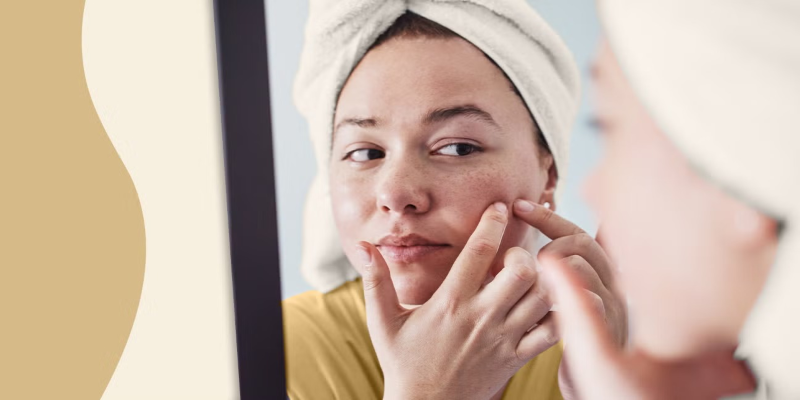
Avoid Picking Pimples
Picking can increase inflammation and raise the risk of post-acne marks and scarring.
Let targeted treatments do the work instead.
Don’t Skip Moisturizer
Acne-prone skin still needs hydration.
A suitable moisturizer can support your skin barrier while you use acne treatments.
How Long Do the Best Acne Products 2026 Take to Work?
Patience is an important part of acne care.
Some products may reduce oiliness or improve the feel of your skin relatively quickly. However, acne itself often requires several weeks of consistent treatment.
Do not change your entire routine every few days.
If your acne is getting worse, painful, widespread, or leaving scars, seek professional advice rather than continuously adding new products.
When Should You See a Dermatologist?
Over-the-counter skincare can be useful for mild acne. However, professional treatment may be necessary for more persistent concerns.
Consider seeing a dermatologist if you have:
- Deep or painful pimples
- Cysts or nodules
- Acne that leaves scars
- Persistent breakouts
- Acne that does not improve with OTC treatment
- Significant dark marks
- Acne that is affecting your confidence or daily life
The AAD notes that effective treatment is available for adult acne and that dermatologists may combine multiple treatments depending on the individual.
Frequently Asked Questions
What are the Best Acne Products 2026?
The best acne products depend on your type of acne. Evidence-supported ingredients include benzoyl peroxide, adapalene and other topical retinoids, salicylic acid, and azelaic acid.
Which ingredient is best for pimples?
Benzoyl peroxide is a strong option for inflamed acne. Salicylic acid can help unclog pores, while adapalene helps prevent clogged pores and new breakouts.
Is salicylic acid good for oily acne-prone skin?
Yes. Salicylic acid helps exfoliate and unclog pores, making it a popular ingredient for oily and acne-prone skin.
Is adapalene good for acne?
Adapalene is a topical retinoid that helps unclog pores and prevent new breakouts. The AAD includes topical retinoids among its recommended acne treatments.
Can I use benzoyl peroxide every day?
Some people can use it regularly, but frequency depends on the product and your skin’s tolerance. Start gradually if you experience dryness or irritation.
Do I need moisturizer if I have acne?
Yes. Acne treatments can dry and irritate the skin. A suitable moisturizer can help support your skin barrier and improve treatment tolerance.
Can acne products remove acne scars?
Acne treatments can help prevent new breakouts and may improve some post-acne marks. True depressed or raised scars often require professional treatments.
Can I use salicylic acid and adapalene together?
They may be used within an acne treatment plan, but combining active ingredients can increase irritation. Introduce treatments gradually and consider professional guidance if your skin is sensitive.
Should I wear sunscreen when treating acne?
Yes. Daily sunscreen is an important part of skincare, particularly when you are concerned about post-acne discoloration and irritation.
When should I see a dermatologist for acne?
See a dermatologist if you have painful deep acne, scarring, persistent breakouts, or acne that does not improve with appropriate over-the-counter treatment.
For more dermatologist-backed information, visit the American Academy of Dermatology acne resources.
Final Thoughts
The Best Acne Products 2026 are not necessarily the newest or most expensive ones. The better approach is to choose products according to your specific acne concerns and look for ingredients supported by dermatology guidance.
Benzoyl peroxide can target inflammatory breakouts. Salicylic acid can help with clogged pores. Adapalene supports pore unclogging and acne prevention. Azelaic acid can address acne and the appearance of post-acne marks.
Keep your routine simple. Cleanse gently, use your chosen acne treatment consistently, moisturize, and protect your skin from the sun.
If acne becomes painful or starts leaving scars, do not rely on endless product experimentation. A dermatologist can create a treatment plan based on your individual skin.
For more skincare, beauty, and expert-inspired guides, visit SkinWiseDaily.
Leave a Reply
You must be logged in to post a comment.