

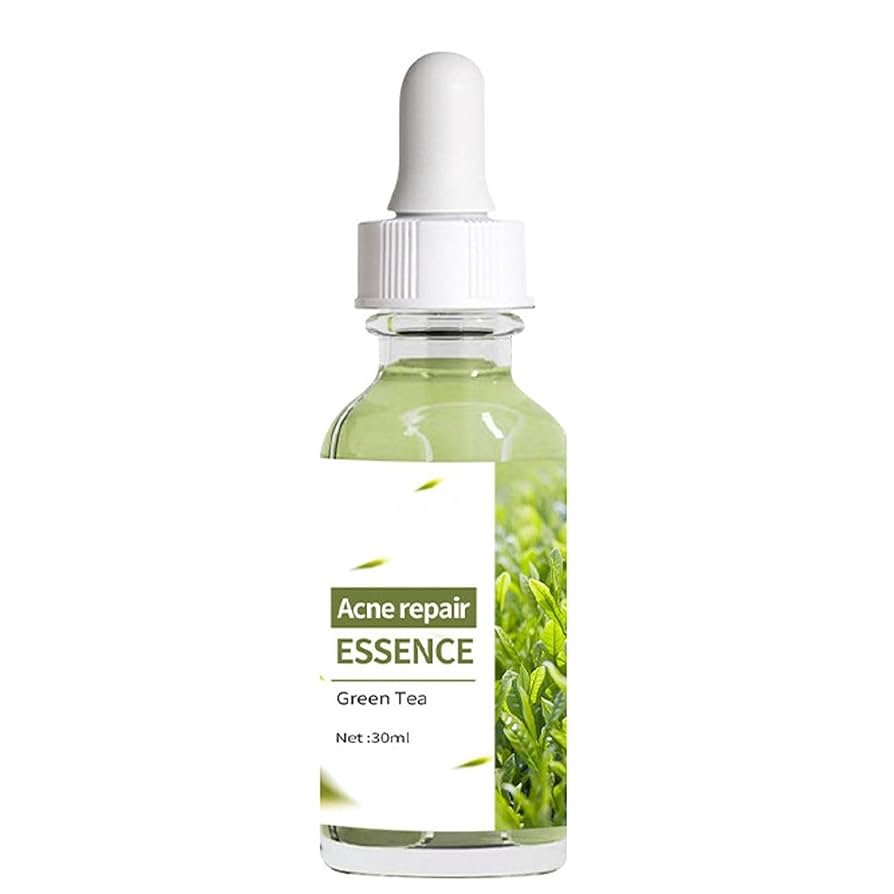
Facial redness can make skin look irritated, uneven, or uncomfortable. Changes in weather, over-exfoliation, dryness, environmental stress, and sensitivity can all contribute to a flushed appearance. This is where calming skincare ingredients can become useful. Green Tea Serum for Redness is gaining attention because green tea extract contains polyphenols, including epigallocatechin-3-gallate (EGCG), which have antioxidant and anti-inflammatory properties. Research suggests green tea compounds may have protective effects against oxidative and UV-related skin stress, although more high-quality human research is needed to determine how effective topical green tea products are for persistent redness.
A well-formulated serum can therefore be a gentle addition to a redness-prone skincare routine. However, it should not be considered a medical treatment for rosacea, eczema, or another diagnosed skin condition.
What Is Green Tea Serum?
Green tea serum is a lightweight skincare product formulated with green tea extract, usually derived from Camellia sinensis. Depending on the formula, it may also contain hydrating, soothing, or barrier-supporting ingredients.
Green tea is particularly valued for its catechins and other polyphenols. These compounds have antioxidant activity and have been studied for their potential role in reducing inflammation and protecting skin from environmental stress.
A serum may be especially convenient because its lightweight texture can be layered underneath moisturizer and sunscreen.
Key Green Tea Compounds for Skin
One of the most researched green tea catechins is EGCG.
Green tea polyphenols have demonstrated antioxidant and anti-inflammatory potential in laboratory and clinical research. However, topical skincare studies remain relatively limited, and results can vary depending on the formulation and concentration.
This distinction matters when evaluating skincare claims. An ingredient showing promising biological activity does not automatically mean every serum containing that ingredient will produce the same results.
Green Tea Serum for Redness: Potential Skin Benefits
Green tea serum may provide several supportive benefits for skin that looks stressed or irritated.
1. Provides Antioxidant Support
Environmental factors such as UV exposure and pollution can contribute to oxidative stress.
Green tea polyphenols are powerful antioxidants that have been investigated for their ability to counter oxidative processes in skin. Research has also explored their protective effects against UV-related skin damage.
This does not mean green tea serum replaces sunscreen. Instead, antioxidant skincare can complement a consistent sun-protection routine.
2. May Help Calm the Look of Redness
Some research has investigated topical products containing green tea polyphenols in combination with other antioxidants.
For example, one small study of a product containing resveratrol, green tea polyphenols, and caffeine reported a reduction in facial redness over several weeks. However, because the product contained multiple active ingredients and the study involved only 16 participants, the results cannot be attributed to green tea alone.
Therefore, green tea is best viewed as a potentially calming ingredient rather than a guaranteed solution for redness.
3. Supports a Gentle Skincare Routine
Redness-prone skin often benefits from simple routines that avoid unnecessary irritation.
A lightweight green tea serum can fit into a routine alongside a gentle cleanser, moisturizer, and sunscreen.
Look for formulas that combine green tea with hydrating ingredients rather than relying on a long list of potentially irritating actives.
4. Helps Defend Against Environmental Stress
Green tea polyphenols have been studied for their antioxidant and photoprotective properties. Human and experimental research suggests they may help reduce some markers associated with UV-induced skin stress.
Still, antioxidant serums should always be used alongside—not instead of—daily sunscreen.
5. May Complement Sensitive-Skin Care
A well-formulated green tea serum may be suitable for people who want a lightweight antioxidant product without adding a strong exfoliating active.
However, sensitive skin varies considerably from person to person. A serum containing fragrance, essential oils, high concentrations of acids, or other potentially irritating ingredients may not be appropriate simply because it contains green tea.
How to Choose a Green Tea Serum for Redness
Choosing the right formula is more important than simply looking for “green tea” on the label.
Look for Soothing Ingredients
Consider formulas that combine green tea extract with ingredients such as:
- Panthenol
- Glycerin
- Hyaluronic acid
- Ceramides
- Beta-glucan
- Allantoin
- Centella asiatica
These ingredients can help create a more hydration-focused and skin-comforting routine.
Choose a Simple Formula
If your skin reacts easily, avoid introducing multiple new actives simultaneously.
A simple serum with green tea extract and gentle moisturizing ingredients may be easier to evaluate than a complex formula containing several acids, retinoids, fragrance, and essential oils.
Consider Fragrance-Free Options
Fragrance is not automatically harmful, but it can be problematic for some sensitive individuals.
If your skin frequently stings or becomes irritated, a fragrance-free formula may be a more sensible starting point.
Green Tea Serum for Redness: How to Use It
Adding a serum to your skincare routine is relatively simple.
Step 1: Cleanse Gently
Wash your face with a mild cleanser and lukewarm water.
Avoid very hot water and aggressive scrubbing, particularly if your skin is already flushed or uncomfortable.
Step 2: Apply Green Tea Serum
Apply a small amount to clean skin according to the product’s instructions.
Gently spread or press the serum into your face rather than rubbing aggressively.
Step 3: Apply Moisturizer
Follow with a moisturizer suited to your skin type.
For redness-prone skin, barrier-supporting ingredients such as ceramides and humectants may be useful additions.
Step 4: Finish With Sunscreen
In the morning, finish with broad-spectrum sunscreen.
Sun exposure can aggravate redness and is an important consideration for anyone trying to maintain a calmer-looking complexion.
Best Time to Use Green Tea Serum
You can generally use a green tea serum in either your morning or evening routine, depending on the product’s directions.
Morning Routine
A simple morning routine could be:
Gentle cleanser → Green tea serum → Moisturizer → Sunscreen
This combination provides hydration, antioxidant skincare, and daily UV protection.
Evening Routine
At night, try:
Gentle cleanser → Green tea serum → Moisturizer
If you also use retinoids, exfoliating acids, or other active ingredients, introduce them carefully rather than layering everything together.
Green Tea Serum for Sensitive and Redness-Prone Skin
If your skin is sensitive, start slowly.
Apply the serum to a small area first and monitor your skin. The American Academy of Dermatology recommends testing skincare products before applying them broadly, particularly when you have sensitive skin or a history of reactions.
If you experience persistent burning, swelling, itching, or significant redness, stop using the product.
A serum should make your skincare routine more comfortable—not more complicated.
Can Green Tea Serum Help With Rosacea?
Green tea serum should not be considered a treatment for rosacea.
Rosacea is a medical skin condition that can cause persistent facial redness, flushing, visible blood vessels, and sometimes acne-like bumps. The American Academy of Dermatology recommends seeing a board-certified dermatologist for diagnosis because rosacea can resemble other skin conditions.
Green tea may be used as part of a gentle cosmetic skincare routine, but persistent or worsening redness deserves professional evaluation.
If your face frequently becomes hot, stings, burns, or remains red for long periods, consult a dermatologist rather than repeatedly adding new skincare products.
Green Tea Serum vs. Other Calming Ingredients
Green tea is not the only ingredient used for redness-prone skin.
| Ingredient | Main Skincare Role |
|---|---|
| Green Tea | Antioxidant and soothing support |
| Niacinamide | Barrier support and tone care |
| Centella Asiatica | Soothing and skin-comfort support |
| Panthenol | Hydration and soothing |
| Ceramides | Skin-barrier support |
| Hyaluronic Acid | Hydration |
| Allantoin | Skin-conditioning and soothing |
The best ingredient depends on your skin concerns and the complete product formulation.
Ingredients to Be Careful With
If your skin is already irritated, introducing several strong ingredients at once may make matters worse.
Consider using caution with:
- High-strength exfoliating acids
- Strong retinoids
- Physical scrubs
- High amounts of fragrance
- Essential oils
- Multiple active serums
- Harsh alcohol-heavy formulas
This does not mean every person needs to avoid these ingredients. Instead, redness-prone skin often benefits from a gradual approach.
Common Mistakes When Using Green Tea Serum
Applying Too Much
More serum does not necessarily mean better results. Follow the product’s recommended amount.
Introducing Several New Products
If you add five products simultaneously and develop irritation, it becomes difficult to identify the cause.
Introduce one new product at a time.
Skipping Sunscreen
Green tea’s antioxidant properties do not make it a sunscreen replacement. Daily UV protection remains essential.
Expecting Overnight Results
Skincare ingredients generally require consistent use. Green tea research is promising, but evidence for topical use specifically targeting facial redness remains limited.
Ignoring Persistent Redness
If redness continues, worsens, or comes with burning, bumps, visible vessels, or eye symptoms, seek professional medical advice.
Frequently Asked Questions
Is green tea serum good for redness?
Green tea serum may help support calmer-looking skin because green tea contains antioxidant and anti-inflammatory polyphenols. However, evidence for topical green tea specifically treating facial redness is still limited.
Can I use green tea serum every day?
Many green tea serums are designed for daily use, but always follow the specific product instructions. If your formula contains additional active ingredients, your ideal frequency may be different.
Is green tea serum good for sensitive skin?
It may be suitable for some people with sensitive skin, particularly when the formula is simple and fragrance-free. However, sensitivity varies, so patch testing is a sensible precaution.
Can green tea serum reduce rosacea redness?
There is not enough evidence to recommend green tea serum as a treatment for rosacea. Rosacea can require medical diagnosis and treatment. The American Academy of Dermatology’s rosacea resource provides dermatologist-backed information about symptoms, triggers, and treatment.
Can I use green tea serum with niacinamide?
Generally, green tea and niacinamide can be included in the same skincare routine. However, check the complete ingredient lists and introduce new products gradually if your skin is sensitive.
Can I use green tea serum with vitamin C?
They can potentially be used together, particularly when a product has been specifically formulated with both ingredients. If you are using separate products, introduce them gradually and monitor your skin for irritation.
Should I use green tea serum before or after moisturizer?
Serum is generally applied before moisturizer. A basic routine is cleanser, serum, moisturizer, and sunscreen in the morning.
Does green tea serum replace sunscreen?
No. Green tea extract has been studied for antioxidant and UV-related protective effects, but it should never replace sunscreen. Research has specifically investigated green tea as a complementary approach rather than a substitute for established sun protection.
How long does green tea serum take to work?
There is no guaranteed timeline. Cosmetic results depend on the formulation, concentration, skin type, consistency, and the concern being addressed. Give your routine time to work rather than increasing product use rapidly.
Final Thoughts
Green Tea Serum for Redness can be a useful addition to a gentle skincare routine when you want antioxidant and soothing support. Green tea polyphenols, particularly EGCG, have demonstrated promising antioxidant and anti-inflammatory properties in research, but evidence for topical products specifically reducing facial redness is still developing.
For the best approach, choose a simple formula, introduce it gradually, moisturize consistently, and use sunscreen every morning. If redness is persistent, painful, or accompanied by flushing, burning, bumps, or visible blood vessels, consult a dermatologist to determine the underlying cause.
Discover More Skincare Advice at SkinWiseDaily
Want more ingredient guides, skincare routines, and beauty tips?
Visit SkinWiseDaily for practical, research-informed skincare content that helps you understand ingredients and make smarter beauty choices.
Leave a Reply
You must be logged in to post a comment.