

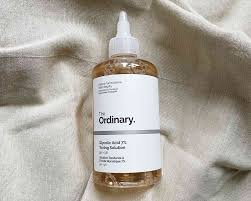
If your skin looks dull, uneven, or rough, glycolic acid toner can be an effective exfoliating step to consider. Glycolic acid is an alpha-hydroxy acid (AHA) that helps loosen dead skin cells on the surface, which can improve the appearance of skin texture and brightness. However, because glycolic acid is an exfoliant, using too much too soon can cause dryness, redness, burning, or irritation. Learning How to Use Glycolic Acid Toner correctly is therefore just as important as choosing the right product.
The best approach is to start slowly, monitor how your skin responds, moisturize regularly, and use broad-spectrum sunscreen during the day.
What Is Glycolic Acid Toner?
Glycolic acid toner is a liquid skincare product containing glycolic acid, a water-soluble AHA. Glycolic acid has a relatively small molecular size, allowing it to penetrate the skin more readily than some other AHAs. It works by loosening the bonds between dead surface skin cells, helping reveal smoother-looking skin underneath.
Depending on its concentration and formulation, a glycolic acid toner may help improve the appearance of:
- Dull-looking skin
- Uneven skin texture
- Mild discoloration
- Rough patches
- Enlarged-looking pores
- Fine lines
- Post-acne marks
Results are not usually instant. Consistent use over time is more important than applying a strong formula frequently.
How to Use Glycolic Acid Toner Step by Step
Knowing how to use glycolic acid toner is essential if you are new to chemical exfoliation. Follow these steps to introduce it gradually.
Step 1: Cleanse Your Skin Gently
Start with a mild cleanser to remove makeup, sunscreen, excess oil, and impurities.
Avoid using a harsh cleanser immediately before glycolic acid because combining multiple potentially irritating steps can make your skin more uncomfortable.
Pat your face dry gently rather than rubbing it.
Step 2: Apply a Small Amount of Toner
Apply your glycolic acid toner according to the product’s directions.
You can generally use clean hands or a cotton pad, depending on the product instructions. Avoid the delicate eye area, lips, corners of the nose, and any areas with broken or irritated skin.
Do not scrub the toner into your skin. A chemical exfoliant does its work through its formulation, not through vigorous rubbing.
Step 3: Let the Product Absorb
Allow the toner to settle before applying the rest of your nighttime routine.
You do not need to add several active ingredients immediately afterward. Keeping your routine simple when introducing glycolic acid makes it easier to identify the cause if irritation occurs.
Step 4: Follow With a Moisturizer
Finish with a gentle moisturizer to support skin comfort and hydration.
Ingredients such as ceramides, glycerin, hyaluronic acid, and other moisturizing ingredients can complement an exfoliating routine.
If your skin becomes unusually dry or irritated, reduce the frequency or stop the product and allow your skin to recover.
Step 5: Use Sunscreen the Next Morning
Sun protection is especially important when using AHAs.
The American Academy of Dermatology recommends choosing a sunscreen that provides broad-spectrum protection, SPF 30 or higher, and water resistance.
Apply sunscreen every morning and reapply when appropriate, particularly when spending extended time outdoors.
How Often Should You Use Glycolic Acid Toner?
Beginners should avoid using glycolic acid every night immediately.
Cleveland Clinic recommends starting glycolic acid once or twice weekly and gradually increasing frequency if your skin tolerates it.
A simple starting schedule could look like this:
Week 1–2: Once or twice per week
Week 3–4: Increase gradually if your skin remains comfortable
Afterward: Follow the product’s directions and your skin’s tolerance
More frequent application does not necessarily produce faster results. Over-exfoliation can lead to dryness and irritation.
Your product’s concentration also matters. A stronger formula generally requires more caution than a low-strength everyday product.
Glycolic Acid Toner Benefits for Skin
Glycolic acid is popular because it addresses several common cosmetic skin concerns.
Helps Exfoliate Dead Skin Cells
The primary role of glycolic acid is exfoliation. It loosens dead cells on the skin’s surface, helping create a smoother appearance.
Improves the Appearance of Skin Texture
Regular, appropriate exfoliation can make rough or uneven-looking skin appear smoother.
Helps Brighten Dull-Looking Skin
By removing accumulated dead surface cells, glycolic acid can help reveal fresher-looking skin underneath.
May Improve the Appearance of Dark Spots
Glycolic acid may help improve the appearance of uneven pigmentation and mild discoloration over time.
However, persistent pigmentation such as melasma can require professional diagnosis and treatment.
Can Help With Fine Lines
AHAs, including glycolic acid, are commonly used in skincare products targeting visible signs of aging, including fine lines and uneven texture.
How to Use Glycolic Acid Toner for Different Skin Types
Glycolic acid is not equally suitable for everyone. Your skin type and current condition should guide how you introduce it.
For Oily Skin
Glycolic acid may help improve the appearance of uneven texture and surface buildup.
Start with a lower-frequency routine rather than applying it every day. If your skin becomes tight, flaky, or irritated, reduce use.
For Dry Skin
Dry skin requires extra caution with exfoliating acids.
Use glycolic acid less frequently and pair it with a gentle moisturizer. Avoid combining it with multiple exfoliating products.
For Combination Skin
You may find glycolic acid useful for areas that feel rough or congested.
However, do not automatically increase the amount on oilier areas. Treat your skin as a whole and watch for irritation.
For Sensitive Skin
Sensitive skin may be more likely to react to glycolic acid.
The American Academy of Dermatology recommends testing skincare products before applying them broadly, and notes that glycolic acid can irritate sensitive skin.
If your skin frequently burns, stings, becomes red, or reacts to skincare products, speak with a dermatologist before adding an exfoliating acid.
For Acne-Prone Skin
Glycolic acid can help exfoliate the skin’s surface and improve the appearance of uneven texture. However, it should not be treated as a cure for acne.
If you have persistent or severe acne, professional dermatological advice is more appropriate than repeatedly increasing exfoliation.
What Ingredients Should You Avoid With Glycolic Acid?
One of the biggest beginner mistakes is combining too many strong actives in the same routine.
When first introducing glycolic acid, consider keeping these ingredients separate unless a dermatologist or product formulation specifically indicates otherwise:
- Retinol
- Retinoids
- Salicylic acid
- Lactic acid
- Other AHAs
- Strong exfoliating scrubs
- Strong vitamin C formulations
Cleveland Clinic recommends avoiding other exfoliants, retinol, and vitamin C when first starting glycolic acid to reduce the chance of irritation.
This does not mean these ingredients can never be used in the same overall skincare routine. Instead, alternating them on different days can be a gentler approach.
Can You Use Glycolic Acid With Hyaluronic Acid?
Generally, hyaluronic acid and glycolic acid can complement each other.
Glycolic acid exfoliates, while hyaluronic acid is primarily used as a hydrating ingredient.
For example, a simple nighttime routine could be:
Cleanser → Glycolic acid toner → Hydrating serum → Moisturizer
However, always consider the complete formulation of each product rather than focusing on one ingredient alone.
Can You Use Glycolic Acid With Niacinamide?
Glycolic acid and niacinamide can both have a place in a skincare routine.
If your skin is sensitive, however, introducing multiple new products at once can make irritation more difficult to identify.
A practical approach is to introduce one active product at a time and monitor how your skin responds.
When Should You Use Glycolic Acid Toner?
For many people, nighttime is the simplest choice.
Using it at night also makes it easier to keep your morning routine focused on hydration and sun protection.
A basic routine could be:
Morning:
Cleanser → Hydrating serum → Moisturizer → SPF 30+ sunscreen
Night:
Cleanser → Glycolic acid toner → Moisturizer
On non-glycolic-acid nights, you can use your other targeted skincare products according to your skin’s needs.
Signs You May Be Overusing Glycolic Acid
Exfoliation should not leave your skin feeling constantly uncomfortable.
Watch for:
- Persistent redness
- Burning
- Stinging
- Excessive dryness
- Flaking
- Increased sensitivity
- Tightness
- New irritation
If these symptoms develop, stop or reduce the exfoliating product and return to a gentle cleanser and moisturizer.
The AAD advises stopping a skincare product if it causes a significant reaction and seeking professional help when needed.
Who Should Be Careful With Glycolic Acid?
Glycolic acid may not be appropriate for everyone.
Cleveland Clinic recommends caution for people with sensitive or dry skin, rosacea, eczema, or an active skin infection because glycolic acid may increase irritation.
You should also be particularly cautious if your skin is:
- Sunburned
- Recently exfoliated
- Broken or injured
- Recovering from a cosmetic procedure
- Experiencing significant irritation
If you have a diagnosed skin condition or are undergoing professional skin treatments, ask your dermatologist before adding glycolic acid.
How Long Does Glycolic Acid Take to Work?
Do not expect dramatic changes after one application.
Cleveland Clinic notes that over-the-counter glycolic acid products may require several months of consistent use before noticeable improvements in brightness or pigmentation become apparent.
Your results depend on:
- Product concentration
- Frequency of use
- Skin type
- Consistency
- Other skincare products
- Sun exposure
- The specific concern being treated
Patience is important. Increasing the amount or frequency because you want faster results can backfire by irritating your skin.
Common Glycolic Acid Toner Mistakes
Using It Every Night From Day One
Your skin needs time to adjust. Start slowly and increase only if your skin tolerates the product.
Applying It to Damp, Irritated Skin
If the product label does not specifically recommend application to damp skin, applying an acid to freshly wet skin may increase the intensity of the experience for some users. Follow the product directions carefully.
Skipping Moisturizer
Exfoliation should be balanced with hydration. A moisturizer can help keep your routine comfortable.
Forgetting Sunscreen
AHA use increases the importance of consistent sun protection. The AAD recommends broad-spectrum SPF 30 or higher.
Mixing Too Many Actives
More ingredients do not automatically mean better skincare. Introduce active ingredients gradually.
Frequently Asked Questions
How to use glycolic acid toner for the first time?
Start with clean, dry skin and apply the product according to its directions. Begin once or twice a week, followed by a gentle moisturizer. If your skin tolerates it, you can gradually increase frequency.
Can I use glycolic acid toner every day?
Some products are formulated for more frequent use, but beginners should not assume daily application is appropriate. Start slowly and follow the specific product instructions. Overuse can cause dryness and irritation.
Should I use glycolic acid toner in the morning or at night?
Nighttime is generally a practical choice because glycolic acid can increase sun sensitivity. During the day, use broad-spectrum SPF 30 or higher and reapply as recommended.
Can I use glycolic acid toner with retinol?
It is usually better to avoid using both at the same time when you are starting glycolic acid. Both can irritate the skin. Consider alternating nights unless your dermatologist recommends otherwise.
Can glycolic acid remove dark spots?
Glycolic acid can help improve the appearance of uneven pigmentation and some dark spots by exfoliating the skin and supporting more even-looking tone.
For persistent, worsening, or widespread pigmentation, consult a dermatologist rather than relying only on an exfoliating toner.
Is glycolic acid good for acne?
Glycolic acid can help exfoliate the skin and improve the appearance of texture, but it is not appropriate as the only treatment for every type of acne.
If you have persistent acne, speak with a dermatologist about evidence-based treatment options.
Can sensitive skin use glycolic acid?
Some people with sensitive skin may not tolerate glycolic acid well. Cleveland Clinic recommends caution for sensitive skin, rosacea, eczema, and active skin infections.
If you have sensitive skin, patch-test appropriately and consider discussing the ingredient with a dermatologist first.
What should I apply after glycolic acid toner?
A simple option is a gentle hydrating serum followed by moisturizer. Avoid immediately layering several strong active ingredients, especially when you are new to glycolic acid.
Do I need sunscreen when using glycolic acid?
Yes. Sun protection is particularly important when using AHAs. Choose broad-spectrum SPF 30 or higher, preferably water-resistant, and reapply as recommended when outdoors.
For more dermatologist-backed sun-care guidance, visit the American Academy of Dermatology’s sunscreen guide.
Final Thoughts
Learning how to use glycolic acid toner safely is about balance. Glycolic acid can help exfoliate dead skin cells and improve the appearance of dullness, uneven texture, and mild discoloration, but using too much can leave your skin irritated.
Start once or twice a week, keep the rest of your routine gentle, moisturize consistently, and protect your skin with broad-spectrum SPF 30 or higher during the day.
Most importantly, don’t chase faster results by increasing the frequency too quickly. Healthy-looking skin benefits from consistency, patience, and a routine suited to your individual needs.
Build a Smarter Skincare Routine With SkinWiseDaily
Want more practical skincare advice, ingredient guides, and beauty tips?
Visit SkinWiseDaily for easy-to-follow skincare guides designed to help you make informed beauty choices and build a routine that works for your skin.
Leave a Reply
You must be logged in to post a comment.