

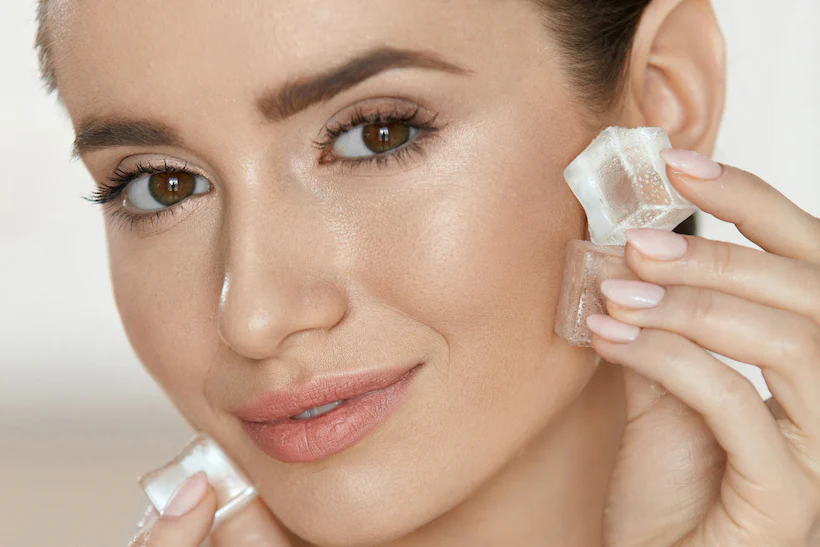
Ice Facial Benefits have made facial icing one of the most talked-about skincare trends in recent years and it’s easy to see why. The routine is cheap, quick, and simple enough to do at home with nothing more than a few ice cubes or a chilled roller. From calming morning puffiness to soothing acne-related redness, many skincare fans now build facial icing into their daily routine as an easy way to support healthier-looking skin.
It isn’t a cure-all, but used the right way, ice can genuinely refresh your complexion and complement the rest of your skincare routine. In this guide, you’ll learn the real ice facial benefits, how facial icing actually works on your skin, who should (and shouldn’t) try it, and the safest way to fit it into your daily habits.
What Are the Ice Facial Benefits?
At a glance, Ice Facial Benefits include reduced puffiness, calmer inflammation, a temporary tightening effect on visible pores, soothed acne, better circulation, and a fresher, more awake-looking complexion. Facial icing works well as a supporting step in your routine but it isn’t a substitute for dermatologist-recommended treatment when you’re dealing with a serious skin condition.
What Exactly Is an Ice Facial?
An ice facial also known as facial icing or cold therapy for the face simply means applying ice or a chilled tool to your skin for a short stretch of time. The cold causes blood vessels near the surface to narrow temporarily, which helps bring down swelling and redness. As your skin warms back up afterward, blood flow increases again, which is what gives your face that fresh, just-refreshed look.
People typically perform facial icing using:
- Ice cubes wrapped in a soft cotton cloth
- Ice rollers
- Chilled jade rollers
- Stainless steel facial rollers
- Frozen facial globes
Dermatologists generally advise against pressing ice directly onto bare skin for long stretches, particularly if your skin is sensitive. Wrapping the ice in a clean cloth is a simple way to lower the risk of irritation or cold burn.
How Does Facial Icing Actually Work?
Facial icing relies on cold therapy, sometimes called cryotherapy. When cold hits the skin, the small blood vessels just under the surface constrict temporarily. That response is what helps reduce swelling, redness, and inflammation in the short term.
Once your skin returns to its normal temperature, circulation picks back up, sending more oxygen-rich blood to the surface. That brief circulation boost is often behind the brighter, healthier look people notice right after icing. The effects don’t last forever, but the routine is quick, inexpensive, and easy to slot into a morning skincare routine.
12 Ice Facial Benefits Worth Knowing:
1. Reduces Facial Puffiness
Puffiness especially around the eyes and cheeks often builds up overnight from fluid retention, allergies, or poor sleep. A few minutes of cold therapy can visibly bring that swelling down, leaving your face looking more awake.
Pro tip: Run an ice roller over your face right after cleansing in the morning for the best results.
2. Calms Acne Inflammation
Ice won’t cure a breakout, but it can temporarily reduce the redness and swelling of an inflamed pimple, making it less noticeable and less uncomfortable. If you’re dealing with moderate to severe acne, though, stick with dermatologist-recommended products rather than relying on ice alone.
3. Adds a Natural Glow
That instant glow after icing comes from the circulation boost as your skin warms back up. Icing before makeup can leave skin looking smoother and fresher — a nice trick before photos or events.
4. Minimizes the Look of Pores
Ice can’t permanently shrink pores, but the cold does tighten the skin around them temporarily, which makes pores appear smaller. It’s a short-term effect, but a welcome one before applying foundation.
5. Soothes Redness and Mild Irritation
Heat, pollution, and sun exposure can all leave skin feeling irritated. Facial icing offers a soothing, cooling way to calm that temporary redness. If you deal with chronic redness or rosacea, though, check with a dermatologist first — cold exposure can trigger flare-ups for some people.
6. May Help Product Absorption
Icing before your serums and moisturizer can help by calming irritation and de-puffing skin first, setting the stage for the rest of your routine. Cleanse, ice briefly, then follow with hydrating products suited to your skin type.
7. Refreshes Tired-Looking Skin
After a long day at a screen or a rough night’s sleep, a quick round of icing can make tired skin feel — and look — instantly refreshed. That’s part of why so many people reach for it before important meetings or events.
8. Reduces Under-Eye Puffiness
This is one of the most noticeable ice facial benefits. The cold constricts blood vessels around the delicate eye area, cutting down on morning puffiness. Gently roll an ice roller (or wrapped ice) around the eyes for 30–60 seconds without pressing too hard.
9. Creates a Smoother Makeup Base
Many makeup artists use facial icing before foundation for exactly this reason it reduces puffiness and can leave the surface of the skin looking temporarily smoother, which helps makeup sit more evenly.
10. Supports Your Morning Routine
Adding facial icing to your morning ritual alongside cleansing, moisturizing, sunscreen, and antioxidant serums like Vitamin C can help you start the day with genuinely refreshed-looking skin. Treat it as an addition to your routine, not a replacement for proven products.
11. May Ease Temporary Inflammation
If your skin feels irritated after a workout, sun exposure, or general environmental stress, icing can offer quick, cooling relief. Avoid using it directly on sunburned or broken skin, since that can make irritation worse.
12. A Genuinely Affordable Treatment
Compared to spa treatments, facial icing costs next to nothing. An ice cube wrapped in a clean cloth or a basic ice roller is one of the most budget-friendly things you can add to your skincare habits, especially alongside good hydration and sleep.
How to Do an Ice Facial Safely
Getting the technique right matters if you want the benefits without the irritation.
- Wash your face with a gentle cleanser.
- Wrap one or two ice cubes in a soft cotton cloth.
- Gently massage your face in circular motions.
- Focus on the forehead, cheeks, jawline, and under-eye area.
- Continue for one to two minutes, no longer.
- Pat your skin dry.
- Apply a hydrating serum and moisturizer.
- Finish with sunscreen during the day.
Avoid holding ice in one spot for too long extended cold exposure can damage the skin rather than help it.
Common Facial Icing Mistakes to Avoid
- Applying ice directly to bare skin
- Icing for more than five minutes at a time
- Pressing too hard
- Using dirty towels or contaminated ice
- Skipping moisturizer afterward
- Icing over broken or infected skin
Getting the basics right helps you get the benefits of facial icing while keeping the risk of irritation low.
Who Should Avoid Facial Icing?
Facial icing is safe for most people, but it isn’t right for everyone. Skip it if you have:
- Severe rosacea
- Extremely sensitive skin
- A cold allergy
- Broken or infected skin
- Open wounds
- Skin prone to frostbite
If you have a chronic skin condition or any concerns, check with a board-certified dermatologist before adding facial icing to your routine.
Expert Perspective
Facial icing is best understood as a supportive skincare habit, not a medical treatment. Research into cold therapy suggests it can temporarily reduce swelling and inflammation, though solid evidence for long-term cosmetic benefits remains limited.
Dermatologists generally recommend using facial icing safely alongside evidence-based products daily sunscreen, gentle cleansers, moisturizers, and ingredients like niacinamide, hyaluronic acid, or retinoids where appropriate.
This article is for educational purposes and isn’t a substitute for personalized medical advice. If you’re dealing with persistent acne, severe redness, eczema, or other ongoing skin concerns, talk to a qualified healthcare professional.
Frequently Asked Questions
Is an ice facial good for your skin?
Yes, when done correctly. Facial icing can temporarily reduce puffiness, calm redness, and leave skin looking refreshed. Think of it as one part of a balanced routine rather than a replacement for proven skincare products.
Can I ice my face every day?
Most people can safely ice their face once a day for one to two minutes. If your skin starts to react, cut back on frequency.
Does ice help acne?
It can temporarily calm the swelling and redness of an inflamed pimple, but it won’t cure acne or stop future breakouts on its own.
Can facial icing shrink pores?
Not permanently pores don’t actually open and close. Icing tightens the skin around them briefly, which just makes pores look smaller for a while.
Should I ice my face before or after skincare?
Most experts suggest icing right after cleansing, then following with serums, moisturizer, and sunscreen.
Does facial icing help with glowing skin?
It can. The temporary circulation boost often leaves the complexion looking brighter and more refreshed right after icing.
Conclusion
It’s easy to see why ice facial benefits have caught on. Facial icing is simple, budget-friendly, and can temporarily ease puffiness, calm redness, soothe inflamed acne, boost circulation, and leave your skin looking refreshed. It’s not a miracle fix, but used safely and consistently, it’s a solid addition to a well-rounded skincare routine.
For skin that stays healthy long-term, pair facial icing with a balanced diet, good hydration, quality sleep, daily sunscreen, and dermatologist-approved products. Real results come from consistency, not shortcuts.
Start Your Skincare Journey with Skin Wise Daily
Looking for more expert skincare tips? Explore Skin Wise Daily for evidence-based guides on acne care, anti-aging, skincare routines, sunscreen, moisturizers, and healthy skin habits. For trusted medical information, see resources from the American Academy of Dermatology and the World Health Organization.
Leave a Reply
You must be logged in to post a comment.