

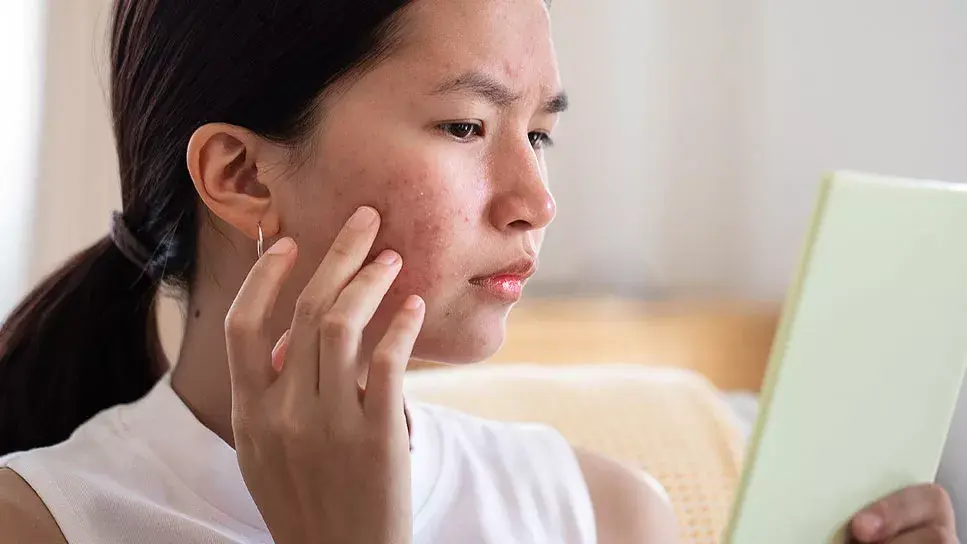
Acne is one of the most common skin concerns affecting teenagers and adults alike. While occasional breakouts are normal, persistent acne can affect confidence and skin comfort. The good news is that learning How to Treat Acne at Home with a consistent skincare routine and evidence-based ingredients can help improve the appearance of blemish-prone skin.
A successful acne routine does not require dozens of products. Instead, it focuses on gentle cleansing, targeted ingredients, proper hydration, and sun protection. Dermatologists also emphasize that treating acne takes time, and results often come from consistency rather than quick fixes.
This guide explains How to Treat Acne at Home safely and effectively using dermatologist-backed skincare practices and healthy habits.
What Causes Acne?
Acne develops when pores become clogged with oil, dead skin cells, and bacteria. Several factors can contribute to breakouts, including:
- Excess oil production
- Hormonal changes
- Dead skin cell buildup
- Genetics
- Certain skincare products
- Stress
- Friction from helmets, masks, or hats
- Some medications
According to the American Academy of Dermatology (AAD), acne is a medical condition that can range from mild to severe and may require different treatment approaches depending on the type of acne.
External Resource: https://www.aad.org/public/diseases/acne
How to Treat Acne at Home With a Gentle Skincare Routine
The foundation of clearer skin is a simple, consistent routine.
Morning Acne Routine
1. Use a Gentle Cleanser
Wash your face with a mild cleanser twice daily and after sweating.
Avoid harsh scrubbing because it can irritate the skin and worsen acne.
Look for cleansers containing:
- Salicylic acid
- Ceramides
- Glycerin
- Niacinamide
External Resource: https://www.aad.org/public/diseases/acne/skin-care
2. Apply Acne-Fighting Ingredients
Effective ingredients for mild acne include:
Salicylic Acid
Salicylic acid helps unclog pores and remove excess oil.
Benzoyl Peroxide
Benzoyl peroxide helps reduce acne-causing bacteria on the skin.
Niacinamide
Niacinamide supports the skin barrier and may help reduce the appearance of redness.
Azelaic Acid
Azelaic acid can help improve the appearance of post-acne marks and uneven-looking skin.
Start with one active ingredient at a time to reduce the risk of irritation.
3. Moisturize Daily
Many people skip moisturizer because they fear it will worsen acne.
However, oily and acne-prone skin still needs hydration.
Choose:
- Lightweight formulas
- Oil-free products
- Non-comedogenic moisturizers
Dermatologists recommend moisturizing to support the skin barrier and reduce irritation from acne treatments.
4. Wear Sunscreen Every Day
Daily sunscreen is essential, especially when using acne treatments.
Choose:
- Broad-spectrum SPF 30+
- Oil-free sunscreen
- Non-comedogenic formulas
External Resource: https://www.aad.org/public/everyday-care/sun-protection
How to Treat Acne at Home Naturally
Natural methods may support your skincare routine, although they should not replace proven treatments for moderate or severe acne.
Tea Tree Oil
Tea tree oil has antibacterial properties, but it should always be diluted because it may irritate sensitive skin.
Green Tea Extract
Green tea contains antioxidants that may help support healthy-looking skin.
Aloe Vera
Aloe vera can soothe irritated skin and provide lightweight hydration.
Honey Masks
Honey is often used in DIY skincare because of its soothing properties. However, research on acne-specific benefits remains limited.
Natural remedies can complement a routine but are not guaranteed treatments.
Best Ingredients for Acne-Prone Skin
| Ingredient | Benefit |
|---|---|
| Salicylic Acid | Helps unclog pores |
| Benzoyl Peroxide | Reduces acne-causing bacteria |
| Niacinamide | Supports skin barrier |
| Azelaic Acid | Helps with post-acne marks |
| Ceramides | Protect skin barrier |
| Hyaluronic Acid | Hydrates skin |
| Sulfur | Helps absorb excess oil |
How to Treat Acne at Home Through Healthy Habits
Lifestyle habits can also support skin health.
Eat a Balanced Diet
A nutrient-rich diet supports overall health, including skin health.
Get Enough Sleep
Sleep supports normal skin repair processes.
Manage Stress
Stress may contribute to breakouts in some individuals.
Avoid Picking Pimples
Picking can increase irritation and raise the risk of post-acne marks.
Clean Makeup Brushes
Dirty makeup tools can transfer oil and bacteria.
Common Mistakes to Avoid
Over-Washing the Skin
Washing too often may irritate the skin.
Using Too Many Products
Too many active ingredients can damage the skin barrier.
Skipping Moisturizer
Hydration remains important even for oily skin.
Expecting Overnight Results
Acne improvement usually takes time.
When Should You See a Dermatologist?
Home care can help mild acne, but some cases require professional treatment.
Consult a dermatologist if:
- Acne is painful
- Acne causes scars
- Over-the-counter products are not helping
- Breakouts become severe
Professional guidance can provide individualized treatment options.
How to Treat Acne at Home for Different Skin Types
Oily Skin
Focus on lightweight, non-comedogenic products.
Dry Skin
Choose hydrating ingredients such as ceramides and hyaluronic acid.
Sensitive Skin
Use fragrance-free products and introduce ingredients slowly.
Combination Skin
Balance hydration while targeting oily areas.
Frequently Asked Questions
How can I treat acne at home quickly?
Mild acne may improve with gentle cleansing, salicylic acid, benzoyl peroxide, moisturizer, and sunscreen. Consistency is more important than quick fixes.
Learn more: https://www.aad.org/public/diseases/acne
What is the best ingredient for acne?
Salicylic acid and benzoyl peroxide are among the most common over-the-counter acne ingredients. The best choice depends on your skin type.
Can I use natural remedies for acne?
Some natural ingredients such as aloe vera or tea tree oil may support skincare, but they should not replace proven treatments for persistent acne.
Does sunscreen help acne?
Yes. Sunscreen helps protect the skin, especially when using exfoliating or acne-fighting ingredients.
More information: https://www.aad.org/public/everyday-care/sun-protection
Can moisturizer worsen acne?
No. Choosing a lightweight, non-comedogenic moisturizer can support the skin barrier without clogging pores.
Is picking acne harmful?
Yes. Picking pimples can increase inflammation and may lead to marks or scarring.
Final Thoughts
Learning How to Treat Acne at Home starts with patience, consistency, and realistic expectations. A simple routine that includes gentle cleansing, targeted ingredients, moisturizer, and sunscreen can support healthier-looking skin over time.
Remember that acne is a common skin condition, and improvement may take several weeks. Avoid harsh products, protect your skin barrier, and seek professional advice if acne becomes severe or persistent.
For more skincare guides and expert beauty tips, visit SkinWiseDaily:
Internal Link: https://skinwisedaily.com/
Call to Action
Ready to improve your skincare routine? Explore more expert-backed skincare tips, acne guides, and beauty advice at SkinWiseDaily and discover routines designed for healthier, clearer-looking skin.
Leave a Reply
You must be logged in to post a comment.