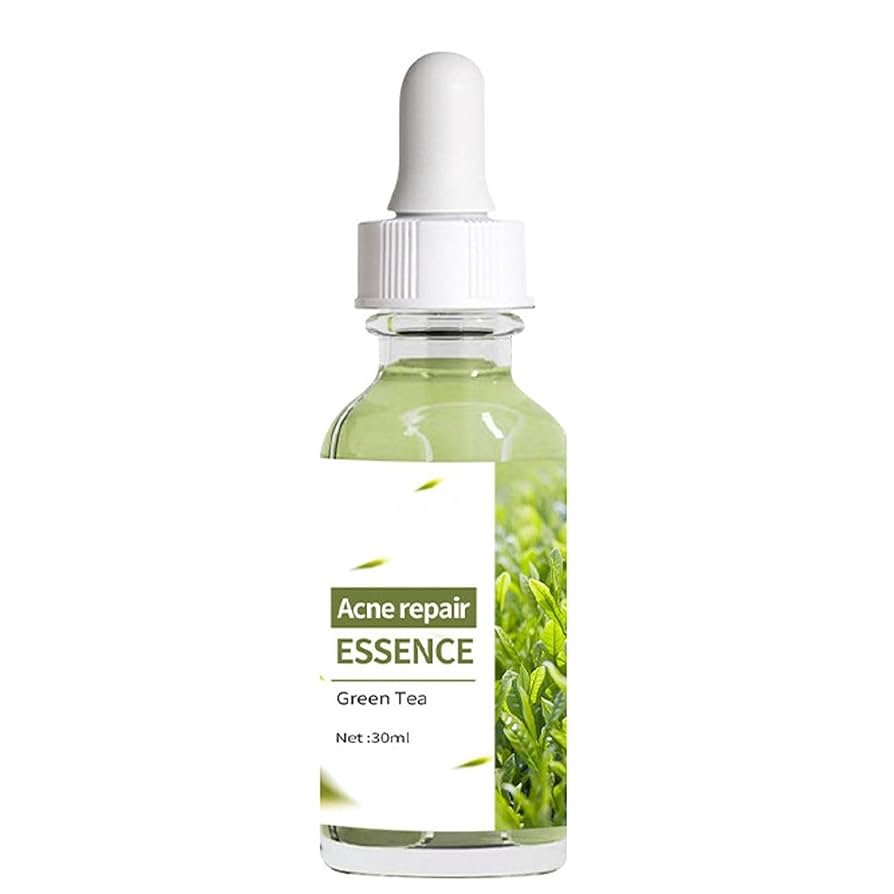
Dullness, rough texture, clogged pores, and uneven-looking skin can make your complexion appear tired even when your skincare routine is consistent. An Best AHA-BHA Exfoliating Toner can help refresh the skin by combining alpha hydroxy acids (AHAs) with beta hydroxy acids (BHAs).
AHAs primarily work on the skin’s surface, while BHAs such as salicylic acid are oil-soluble and can penetrate into pores. When formulated correctly, this combination can support smoother texture, brighter-looking skin, and clearer-looking pores.
However, stronger does not always mean better. Chemical exfoliants can irritate the skin when used too frequently or combined with too many active products. Choosing the right formula and introducing it gradually are essential for maintaining a healthy skin barrier.
The American Academy of Dermatology recommends using exfoliation thoughtfully and notes that over-exfoliation can leave skin irritated and damaged. (AAD)
What Are AHA and BHA?
Before choosing an exfoliating toner, it helps to understand how these acids differ.
Alpha Hydroxy Acids (AHAs)
AHAs are water-soluble acids that primarily exfoliate the skin’s surface.
Common AHAs include:
- Glycolic acid
- Lactic acid
- Mandelic acid
They are often used to improve the appearance of:
- Dull skin
- Uneven texture
- Uneven-looking tone
- Fine lines
- Surface dead skin buildup
Beta Hydroxy Acids (BHAs)
Salicylic acid is the most common BHA used in skincare.
Because it is oil-soluble, salicylic acid can work within oily areas and pores. This makes BHA products particularly popular for oily and blemish-prone skin.
BHAs may help with:
- Clogged pores
- Blackheads
- Excess oil
- Rough texture
- Blemish-prone skin
Best AHA-BHA Exfoliating Toner: What Should You Look For?
Not every exfoliating toner is formulated equally.
When choosing an AHA-BHA toner, consider the acid type, concentration, additional ingredients, and your skin’s tolerance.
Choose the Right AHA
Glycolic acid: A small-molecule AHA that provides effective surface exfoliation.
Lactic acid: Often considered a gentler AHA and can be useful in formulas designed for dry or sensitive skin.
Mandelic acid: A larger-molecule AHA that may be suitable for people who want a milder exfoliating option.
Look for a Suitable BHA
Salicylic acid is the most widely used BHA.
It can be particularly useful if your main concerns include excess oil and clogged pores.
Consider Supporting Ingredients
A good exfoliating toner may also contain soothing or hydrating ingredients such as:
- Panthenol
- Glycerin
- Hyaluronic acid
- Aloe vera
- Centella asiatica
- Allantoin
These ingredients can help make an exfoliating routine more comfortable.
Benefits of an AHA-BHA Exfoliating Toner
Using a properly formulated exfoliating toner can provide several skincare benefits.
Smoother Skin Texture
AHAs can loosen and remove excess dead skin cells from the surface, helping the complexion appear smoother.
Brighter-Looking Skin
Regular exfoliation may help reduce the appearance of dullness by encouraging a more even-looking surface.
Cleaner-Looking Pores
Salicylic acid can help exfoliate inside pores, making BHA particularly useful for oily and congested skin.
More Even-Looking Skin Tone
Consistent exfoliation can help improve the appearance of uneven pigmentation over time.
Better Product Application
Removing excess surface buildup can make subsequent skincare products feel easier to apply. However, exfoliation should not be used to force other products deeper into the skin.
Best AHA-BHA Exfoliating Toner for Different Skin Types
Your skin type should influence the type and frequency of exfoliation you choose.
For Oily Skin
Look for a formula containing salicylic acid, potentially combined with a moderate AHA.
This combination may help address excess oil, clogged pores, and uneven texture.
For Dry Skin
Choose a gentler AHA such as lactic acid and prioritize hydrating ingredients.
Avoid aggressive exfoliation because dry skin can become irritated more easily.
For Combination Skin
A balanced AHA-BHA formula can work well when used carefully.
You can also focus application on areas that become oily or congested rather than applying excessive product everywhere.
For Sensitive Skin
Start with a low-strength formula or consider using an AHA or BHA individually rather than combining both immediately.
Always patch test new products and stop using them if they cause significant irritation.
For Acne-Prone Skin
Salicylic acid may be especially useful for clogged pores and blemishes. However, an exfoliating toner should complement—not replace—appropriate acne treatment.
The AAD recommends salicylic acid among established topical ingredients for acne-prone skin. (AAD Acne Guide)
How to Use an AHA-BHA Toner Safely
Chemical exfoliation works best when introduced gradually.
Step 1: Cleanse Your Skin
Wash your face with a gentle cleanser and pat it dry.
Avoid scrubbing before applying an acid toner.
Step 2: Apply the Toner
Apply a small amount according to the product’s directions.
If using a cotton pad, avoid excessive rubbing. Some products are designed to be applied with clean hands.
Step 3: Follow With Hydration
Apply a hydrating serum or moisturizer afterward.
Ingredients such as glycerin, hyaluronic acid, and ceramides can support skin hydration.
Step 4: Use Sunscreen During the Day
Exfoliating products can make your skin more sensitive to environmental exposure. Apply broad-spectrum SPF 30 or higher during the day.
The AAD recommends broad-spectrum, water-resistant SPF 30+ sunscreen for sun protection. (AAD Sunscreen Guide)
How Often Should You Use an AHA-BHA Toner?
There is no single schedule that works for everyone.
Beginners should start conservatively, such as once or twice per week, depending on the product instructions and skin tolerance.
If your skin remains comfortable, you may gradually increase frequency according to the product’s directions.
Signs that you may be exfoliating too often include:
- Persistent redness
- Burning
- Peeling
- Tightness
- Increased sensitivity
- Unusual dryness
If these symptoms occur, stop or reduce exfoliation and return to a gentle cleanser, moisturizer, and sunscreen until your skin feels comfortable.
Ingredients You Should Be Careful About Combining
Using several active ingredients together can increase irritation.
Be especially cautious about combining an AHA-BHA toner with:
- Retinoids
- Strong vitamin C formulas
- Benzoyl peroxide
- Additional exfoliating acids
- Strong physical scrubs
This does not mean these ingredients can never appear in the same overall routine. Instead, consider alternating them on different days or following guidance from a dermatologist.
AHA vs. BHA: Which Is Better?
Neither is universally better. The right choice depends on your skin concerns.
| Concern | AHA | BHA |
|---|---|---|
| Dullness | Excellent option | Moderate |
| Rough texture | Excellent option | Good |
| Uneven tone | Excellent option | Moderate |
| Clogged pores | Good | Excellent |
| Blackheads | Moderate | Excellent |
| Excess oil | Moderate | Excellent |
| Dry skin | Lactic acid may help | May be drying |
| Oily skin | Good | Excellent |
A combination formula can provide both surface and pore-focused exfoliation, but it may also be more irritating than using a single acid.
Common Mistakes With Exfoliating Toners
Using It Every Day Immediately
Your skin needs time to adapt. Start slowly.
Applying Too Much
More product does not equal better exfoliation. Follow the manufacturer’s recommended amount.
Scrubbing While Applying
Acid exfoliation does not require aggressive rubbing.
Skipping Moisturizer
Exfoliation should be followed by appropriate hydration.
Forgetting Sunscreen
Daily sun protection is essential for maintaining healthy-looking skin.
Ignoring Skin Irritation
Burning is not proof that a product is working. Persistent irritation is a signal to stop and reassess your routine.
Can AHA-BHA Toners Help With Acne?
They may help with certain types of acne and clogged pores, particularly when salicylic acid is included.
However, acne has multiple causes, and persistent or severe acne may require professional treatment.
Do not rely solely on an exfoliating toner if you experience painful cysts, scarring, or widespread breakouts.
The American Academy of Dermatology acne resource provides dermatologist-reviewed information about acne care and treatment.
Can AHA-BHA Toner Remove Dark Spots?
Exfoliating acids can help improve the appearance of uneven skin tone and pigmentation by increasing surface cell turnover.
However, dark spots can have different causes, and results take time.
Daily sunscreen is particularly important because UV exposure can make pigmentation more noticeable.
For persistent hyperpigmentation, consult a dermatologist for personalized advice.
Who Should Avoid AHA-BHA Toners?
Strong exfoliating products may not be suitable for everyone.
Use extra caution if you have:
- Extremely sensitive skin
- A damaged skin barrier
- Active irritation
- Sunburn
- Eczema-prone skin
- Recently undergone certain cosmetic procedures
If you are unsure whether chemical exfoliation is appropriate for you, speak with a qualified dermatologist.
Frequently Asked Questions
What is the best AHA-BHA exfoliating toner?
The best formula depends on your skin type and concerns. Oily or congested skin may benefit from salicylic acid, while dry or dull skin may prefer a gentle AHA such as lactic acid. Combination formulas should be introduced gradually.
For dermatologist-reviewed information about exfoliation, see the American Academy of Dermatology exfoliation guide.
Can I use AHA and BHA together?
Yes, some products are specifically formulated with both acids. However, the combination can be more irritating, so start slowly and avoid adding several other active treatments at the same time.
How often should I use an AHA-BHA toner?
Follow the product instructions and start conservatively. Once or twice weekly may be a reasonable starting point for some beginners, but individual tolerance varies.
Is AHA or BHA better for oily skin?
BHA, particularly salicylic acid, is often useful for oily and congested skin because it is oil-soluble and works within pores. An AHA can still help with surface texture and dullness.
Can I use an AHA-BHA toner every day?
Not necessarily. Daily use may be too irritating for some skin types. Begin gradually and monitor how your skin responds.
Should I moisturize after using an exfoliating toner?
Yes. Applying a suitable moisturizer afterward can help maintain skin comfort and support the skin barrier.
Can I use an AHA-BHA toner with retinol?
Using both in the same routine can increase irritation for some people. Beginners may prefer alternating exfoliation and retinoid nights rather than layering them together.
Do I need sunscreen after using an AHA-BHA toner?
Yes. Use broad-spectrum SPF 30 or higher during the day. See the AAD sunscreen recommendations for dermatologist-backed sun protection guidance.
What happens if an AHA-BHA toner burns my skin?
Rinse the product off if necessary and stop using it. Simplify your routine until your skin feels comfortable. If the reaction is severe or persistent, seek professional medical advice.
Final Thoughts
An exfoliating toner can be a valuable addition to a well-planned skincare routine, but effective exfoliation is about balance rather than intensity.
The Best AHA-BHA Exfoliating Toner for you should match your skin type, concerns, and tolerance. AHAs can target surface dullness and texture, while BHAs such as salicylic acid can be particularly helpful for oily, congested skin.
Start slowly, moisturize consistently, avoid overloading your routine with active ingredients, and never skip daily sunscreen.
For more dermatologist-informed skincare guides and beauty advice, visit SkinWiseDaily.
Ready to Add an Exfoliating Toner to Your Routine?
Choose a formula that matches your primary concern, introduce it gradually, and listen to your skin. Healthy skin comes from consistent, balanced care—not aggressive exfoliation.