

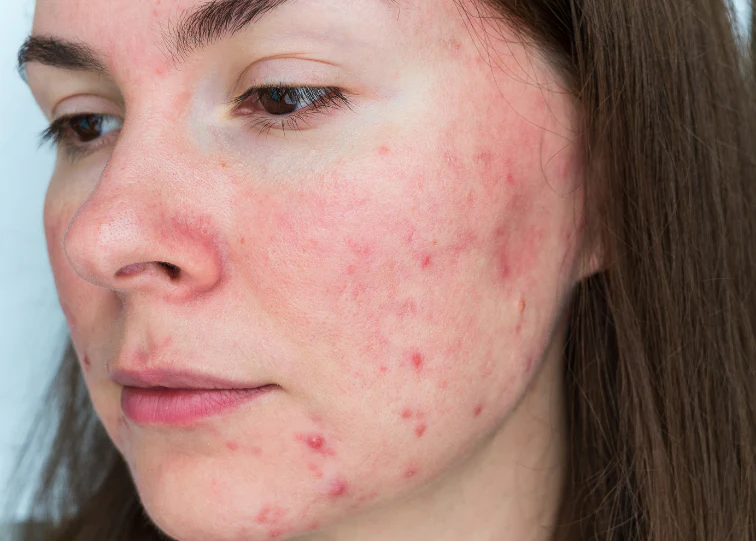
If you are wondering how to heal skin barrier naturally at home, start by simplifying your skincare routine. A damaged skin barrier often needs fewer products, gentle cleansing, consistent moisturization, and protection from environmental stressors.
The skin barrier is the outermost protective layer of your skin. It helps keep moisture in while protecting the skin from irritants and environmental factors.
When the barrier becomes compromised, skin may feel dry, tight, rough, itchy, or unusually sensitive. Therefore, the goal is not to use more products. Instead, focus on restoring comfort and supporting healthy barrier function.
Editor’s Note: This guide provides general skincare information. Persistent redness, burning, severe itching, cracking, or other ongoing symptoms may require professional dermatological care.
What Is the Skin Barrier?
The skin barrier is the outer layer of the epidermis. It plays an important role in maintaining hydration and protecting the skin.
Lipids such as ceramides, cholesterol, and fatty acids help form this protective structure.
A healthy barrier helps reduce water loss from the skin. It also helps protect against external irritants.
According to the American Academy of Dermatology, moisturizing regularly is an important part of caring for dry and sensitive skin. American Academy of Dermatology: Skin Care Tips
Signs of a Damaged Skin Barrier
Knowing the signs can help you adjust your routine before irritation becomes worse.
Common signs include:
- Dry or flaky skin
- Tightness after cleansing
- Increased sensitivity
- Redness
- Rough texture
- Stinging when applying products
- Excessive dryness
- Increased irritation from normally tolerated products
If several of these symptoms appear at once, your routine may be too harsh.
How to Heal Skin Barrier Naturally at Home
The most effective approach is usually simple.
1. Use a Gentle Cleanser
Choose a mild cleanser that does not leave your skin feeling tight after washing.
Avoid harsh scrubbing and very hot water.
Cleanse gently with lukewarm water. Then pat your skin dry with a soft towel.
If your skin is extremely dry, you may not need an aggressive cleansing routine in the morning.
2. Moisturize Regularly
Moisturizer is one of the most important products for barrier care.
Look for ingredients such as:
- Ceramides
- Glycerin
- Hyaluronic acid
- Squalane
- Panthenol
- Fatty acids
Apply moisturizer after cleansing. If your skin is very dry, reapply when needed.
3. Avoid Over-Exfoliation
Exfoliating acids can be useful for certain skin concerns. However, excessive exfoliation can irritate compromised skin.
Temporarily reduce or stop strong exfoliating products if your skin feels raw, burns, or becomes unusually sensitive.
Once your skin feels comfortable again, reintroduce active products slowly.
4. Pause Strong Actives
Retinoids, exfoliating acids, and other concentrated treatments can sometimes cause irritation.
If your barrier appears compromised, consider simplifying your routine.
Focus on:
Cleanser → Moisturizer → Sunscreen
You can gradually reintroduce targeted treatments once your skin feels comfortable.
How to Heal Skin Barrier Naturally at Home With Hydration
Hydration is essential for maintaining comfortable skin.
Use Hydrating Ingredients
Humectants attract water and help improve the skin’s hydrated appearance.
Popular examples include:
- Hyaluronic acid
- Glycerin
- Aloe vera
- Panthenol
Apply a hydrating product before moisturizer if your skin needs additional moisture.
Seal in Moisture
Moisturizers contain ingredients that help reduce water loss and soften the skin.
For very dry areas, a richer cream or occlusive product may provide additional protection.
The AAD recommends applying moisturizer soon after bathing to help trap moisture in the skin. AAD Dry Skin Care Guide
Best Ingredients for Skin Barrier Repair
Choosing the right ingredients can make your routine more supportive.
Ceramides
Ceramides are naturally occurring lipids found in the skin.
They are commonly used in moisturizers designed to support the skin barrier.
Hyaluronic Acid
Hyaluronic acid helps attract water.
It can improve the appearance and feel of dehydrated skin when included in a suitable skincare routine.
Glycerin
Glycerin is another effective humectant.
It helps attract moisture and is commonly found in moisturizers and hydrating serums.
Squalane
Squalane is an emollient that helps soften the skin.
It can be especially useful in moisturizers designed for dry or dehydrated skin.
Panthenol
Panthenol is a moisturizing ingredient often included in products designed for dry or sensitive skin.
How to Heal Skin Barrier Naturally at Home With Simple Habits
Skincare is only part of barrier care.
Avoid Very Hot Showers
Hot water can leave the skin feeling dry.
Choose lukewarm water instead.
Keep Showers Short
Long, hot showers may increase dryness.
A shorter shower can be gentler on the skin.
Choose Soft Fabrics
Rough fabrics can irritate already-sensitive skin.
Choose comfortable clothing and avoid unnecessary friction.
Protect Your Skin From the Sun
UV exposure can contribute to premature skin aging and skin damage.
Use a broad-spectrum sunscreen with SPF 30 or higher on exposed skin.
The AAD recommends broad-spectrum SPF 30 or higher as part of effective sun protection. American Academy of Dermatology Sunscreen Guide
Foods That Support Healthy Skin
A balanced diet supports overall health, including healthy skin.
Include a variety of:
- Fruits
- Vegetables
- Whole grains
- Protein-rich foods
- Healthy fats
Foods provide nutrients that your body needs for normal skin function.
However, no single food can instantly repair a damaged skin barrier.
Think of nutrition as part of your overall wellness routine rather than a quick skincare treatment.
What to Avoid When Your Skin Barrier Is Damaged
Sometimes knowing what to stop using is just as important as knowing what to use.
Avoid Harsh Scrubs
Physical scrubbing can worsen irritation.
Use gentle cleansing instead.
Avoid Fragranced Products if They Irritate You
Fragrance is not automatically harmful for everyone. However, fragranced products can irritate some sensitive skin.
If your skin is reactive, consider fragrance-free options.
Avoid Constant Product Switching
Changing products frequently can make irritation difficult to identify.
Give your skin time to settle before introducing another new product.
Avoid Picking or Scratching
Picking can increase irritation and may contribute to post-inflammatory marks.
Keep your hands away from irritated areas whenever possible.
How to Heal Skin Barrier Naturally at Home: Morning and Night Routine
A simple routine can help reduce unnecessary irritation.
Morning Routine
Gentle cleanser → Hydrating serum → Moisturizer → Sunscreen
If cleansing makes your skin feel tight in the morning, you may prefer simply rinsing with lukewarm water.
Night Routine
Gentle cleanser → Hydrating product → Barrier-supporting moisturizer
Avoid strong exfoliants and multiple active ingredients while your skin is recovering.
How Long Does Skin Barrier Repair Take?
There is no universal recovery timeline.
Minor dryness may improve after you simplify your routine and moisturize consistently. More significant irritation can take longer.
The key is to avoid repeatedly triggering irritation.
If your skin continues to burn, crack, itch, swell, or develop persistent redness, speak with a dermatologist.
A professional can determine whether an underlying skin condition is contributing to your symptoms.
Frequently Asked Questions
How to heal skin barrier naturally at home?
Start with gentle cleansing, regular moisturizing, adequate hydration, and daily sun protection. Avoid excessive exfoliation and irritating products while your skin recovers.
How do I know if my skin barrier is damaged?
Common signs include dryness, tightness, redness, flaking, roughness, burning, and increased sensitivity to skincare products.
Can moisturizer repair the skin barrier?
A suitable moisturizer can support the skin barrier by providing hydration and reducing moisture loss. Ingredients such as ceramides, glycerin, and fatty acids are commonly used for barrier-supportive skincare.
Is hyaluronic acid good for a damaged skin barrier?
Hyaluronic acid can help hydrate the skin. Pair it with a moisturizer to support longer-lasting hydration.
Should I stop using retinol when my skin barrier is damaged?
If retinol causes significant dryness, burning, or irritation, consider pausing it until your skin feels comfortable. Reintroduce it gradually if appropriate.
Can I exfoliate while repairing my skin barrier?
It is generally better to reduce strong exfoliation when your skin is irritated. Once your skin recovers, gradually reintroduce exfoliation if needed.
Does drinking water repair the skin barrier?
Adequate hydration supports overall health, but drinking more water alone does not directly repair a damaged skin barrier. Moisturizing and gentle skincare are also important.
Can I use vitamin C with a damaged skin barrier?
Strong vitamin C products may irritate already-sensitive skin. Consider pausing them if they cause stinging and reintroduce them slowly after your skin becomes comfortable.
Is sunscreen necessary during skin barrier repair?
Yes. Sun protection remains important. Use broad-spectrum SPF 30 or higher on exposed skin. AAD Sunscreen Recommendations
When should I see a dermatologist?
Seek professional advice if your symptoms are severe, persistent, painful, spreading, or accompanied by significant swelling, cracking, or oozing.
You can also explore the American Academy of Dermatology’s skincare resources for dermatologist-backed guidance.
Final Thoughts
Learning how to heal skin barrier naturally at home starts with doing less, not more.
Use a gentle cleanser, moisturize consistently, avoid excessive exfoliation, and protect your skin from the sun. Ingredients such as ceramides, glycerin, hyaluronic acid, and squalane can support a comfortable, hydrated skin barrier.
Most importantly, give your skin time to recover.
A healthy skincare routine does not need to contain dozens of products. Simple, consistent habits are often the best foundation for healthier-looking skin.
For more practical skincare, beauty, and wellness advice, visit SkinWiseDaily and explore our latest expert-inspired skincare guides.
Leave a Reply
You must be logged in to post a comment.