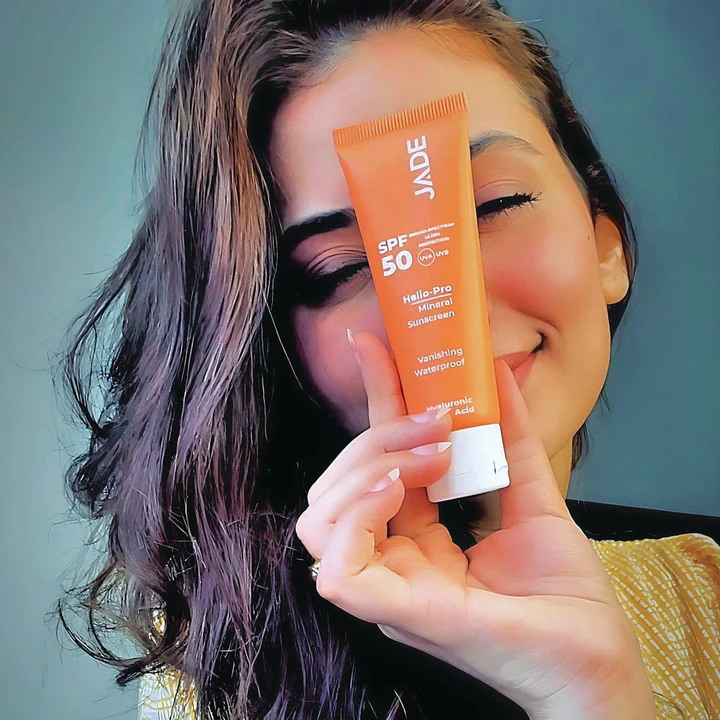
Finding the Best Sunscreen for Oily Skin in Pakistan can be challenging when hot weather, humidity, excess sebum, and frequent sweating make many formulas feel heavy or greasy. The right sunscreen should protect your skin from harmful UV radiation without leaving your face excessively shiny or uncomfortable.
For oily and acne-prone skin, dermatologists recommend looking for sunscreen labeled non-comedogenic or “won’t clog pores.” The American Academy of Dermatology also recommends choosing a sunscreen that provides SPF 30 or higher, broad-spectrum protection, and water resistance.
A lightweight sunscreen can therefore make daily sun protection easier to maintain, especially if you spend time outdoors in Pakistan’s bright and warm climate.
Why Sunscreen Matters for Oily Skin
Oily skin still needs daily sun protection. In fact, skipping sunscreen because your skin feels greasy can leave it exposed to UVA and UVB radiation.
Regular sunscreen use helps protect against:
- Sunburn
- Premature skin aging
- Uneven skin tone
- Dark spots
- Hyperpigmentation
- UV-related skin damage
Broad-spectrum sunscreen protects against both UVA and UVB radiation. SPF primarily indicates protection against sunburn-causing UVB, which is why choosing a broad-spectrum product with adequate SPF is important.
If you are dealing with acne or post-acne marks, sun protection is especially important because UV exposure can contribute to persistent discoloration.
How to Choose the Best Sunscreen for Oily Skin in Pakistan
Choosing sunscreen based only on its SPF number is not enough. Texture, formulation, finish, and your skin’s individual needs also matter.
Look for SPF 30 or Higher
For everyday protection, choose a sunscreen with SPF 30 or higher. The AAD recommends SPF 30+ along with broad-spectrum and water-resistant protection.
Higher SPF does not mean you can apply less sunscreen or skip reapplication. Proper application remains essential.
Choose Broad-Spectrum Protection
Broad-spectrum sunscreen protects your skin from both UVA and UVB rays.
UVA exposure is associated with premature skin aging, while UVB is a major cause of sunburn. A broad-spectrum product provides more comprehensive protection than one focused only on UVB.
Pick a Non-Comedogenic Formula
If you have oily or acne-prone skin, look for non-comedogenic sunscreen or products labeled “won’t clog pores.”
This is particularly useful if you frequently experience clogged pores, blackheads, whiteheads, or breakouts. The AAD specifically recommends non-comedogenic sunscreen for oily and acne-prone skin.
Consider a Lightweight Texture
Gel, fluid, lotion, and lightweight cream formulas can feel more comfortable on oily skin than very rich formulas.
A comfortable sunscreen is also easier to use consistently. If a sunscreen feels too heavy or greasy, you may be tempted to skip it, reducing the overall benefit of your sun-protection routine.
Best Sunscreen for Oily Skin in Pakistan: Ingredients to Consider
The ingredient list can provide useful clues when comparing sunscreens.
Niacinamide
Niacinamide is commonly included in skincare formulas designed for oily or combination skin. It can complement a routine focused on maintaining a healthy-looking skin barrier and balanced appearance.
However, sunscreen’s primary purpose is UV protection, so supporting ingredients should not replace adequate SPF and broad-spectrum coverage.
Zinc Oxide
Zinc oxide is a mineral UV filter used in physical or mineral sunscreens. Mineral sunscreens can be a useful option for people with sensitive skin, although their texture and potential white cast vary by formulation.
Antioxidants
Some sunscreens contain antioxidants such as vitamin E or vitamin C derivatives. These ingredients may complement a broader skincare routine, but they do not replace the need for adequate UV filters.
Hydrating Ingredients
Oily skin can still become dehydrated. Ingredients such as glycerin, hyaluronic acid, and panthenol can provide hydration without necessarily making a sunscreen feel heavy.
Gel vs. Cream Sunscreen for Oily Skin
Texture is one of the biggest differences you’ll notice when shopping for sunscreen.
Gel Sunscreen for Oily Skin
Gel formulas often feel lightweight and refreshing. They can be particularly appealing in warm weather or for people who dislike a creamy finish.
Lightweight Cream Sunscreen
A lightweight cream may be a better option if your oily skin is also dehydrated or sensitive.
The best choice depends on how the formula feels on your skin and whether you can comfortably wear the recommended amount every day.
Sunscreen for Oily and Acne-Prone Skin
People with acne-prone skin often worry that sunscreen will cause more breakouts. However, avoiding sunscreen altogether is not the best solution.
Instead, choose a non-comedogenic, lightweight sunscreen and introduce it gradually if your skin is particularly reactive.
If you are using acne treatments such as retinoids or other products that increase sensitivity to sunlight, consistent sun protection becomes even more important. The AAD recommends broad-spectrum, water-resistant SPF 30+ sunscreen for people managing acne.
Avoid changing multiple skincare products at the same time. If a breakout develops after introducing a new sunscreen, consider whether another new product or treatment may also be contributing.
How to Apply Sunscreen Correctly
Even an excellent sunscreen will not provide its intended protection if you apply too little.
Follow these simple steps:
1. Apply it as the final step of your morning skincare routine.
Sunscreen should generally go after your other skincare products and before makeup.
2. Apply before going outdoors.
The AAD recommends applying sunscreen about 15 minutes before sun exposure.
3. Cover exposed skin.
Apply sunscreen to the face, ears, neck, and other exposed areas.
4. Reapply when necessary.
When outdoors, sunscreen should generally be reapplied about every two hours and after swimming or heavy sweating, following the product’s directions.
5. Don’t forget your neck.
The neck is frequently exposed to sunlight but is often missed during skincare application.
Common Sunscreen Mistakes to Avoid
Even the right product can become ineffective if you use it incorrectly.
Using Too Little Sunscreen
A thin layer may not provide the level of protection indicated on the packaging. Apply enough to adequately cover exposed skin.
Choosing Sunscreen Only for Its Finish
A matte finish can be attractive for oily skin, but finish should not be the only consideration. Always check SPF, broad-spectrum protection, water resistance, and whether the formula suits your skin.
Skipping Sunscreen on Cloudy Days
UV exposure does not disappear simply because the sky looks cloudy. Make sun protection part of your regular daytime routine.
Applying Sunscreen Only at the Beach
Daily sun exposure can happen during commuting, walking, driving, shopping, or sitting outdoors. Consistent daytime protection is more useful than occasional application.
Forgetting to Reapply
Sweating, swimming, wiping your face, and extended outdoor exposure can reduce protection. Reapplication is an important part of effective sunscreen use.
Can Oily Skin Use Sunscreen Every Day?
Yes. Oily skin still requires daily sun protection.
The key is choosing a formula that feels comfortable enough for regular use. Look for terms such as non-comedogenic, lightweight, oil-free, gel, fluid, or matte finish when they match your preferences.
Keep in mind that “oil-free” and “matte” are texture or formulation considerations, not substitutes for proven UV protection.
For more skincare advice, explore SkinwiseDaily for practical guides covering skincare routines, ingredients, sun protection, and healthy-looking skin.
How to Build a Simple Oily Skin Routine With Sunscreen
A simple routine can be more sustainable than using too many products.
Morning Routine
Step 1: Gentle cleanser
Step 2: Lightweight hydrating serum, if needed
Step 3: Lightweight moisturizer, if needed
Step 4: Broad-spectrum sunscreen SPF 30+
Step 5: Makeup, if desired
Evening Routine
Step 1: Cleanser
Step 2: Targeted treatment, if appropriate
Step 3: Lightweight moisturizer
If you use active ingredients such as retinoids or exfoliating acids, introduce them carefully and avoid unnecessarily complicated routines.
Does Higher SPF Mean Better Protection?
Higher SPF provides greater protection against UVB, but no sunscreen blocks 100% of UVB rays. The AAD notes that SPF 30 filters approximately 97% of UVB radiation under testing conditions.
More importantly, SPF should be considered alongside broad-spectrum coverage, appropriate application, and reapplication.
For everyday use, SPF 30 or higher is a practical minimum recommended by dermatology organizations.
Frequently Asked Questions
What is the best sunscreen for oily skin in Pakistan?
Look for a broad-spectrum sunscreen with SPF 30 or higher that is lightweight, comfortable, water resistant, and labeled non-comedogenic if you are prone to clogged pores. Your ideal texture may be a gel, fluid, or lightweight lotion.
Is SPF 50 better for oily skin?
SPF 50 can provide a higher level of labeled UVB protection than SPF 30, but texture matters for oily skin. The most important thing is choosing a broad-spectrum sunscreen that you will apply correctly and consistently.
Can sunscreen cause pimples on oily skin?
Some formulas may feel heavy or may not suit an individual’s skin, but sunscreen itself should not automatically be blamed for breakouts. Choosing a non-comedogenic formula can be helpful for acne-prone skin.
Should oily skin use moisturizer before sunscreen?
Yes, if your skin needs additional hydration. However, if your sunscreen already provides enough moisture, you may not need a separate morning moisturizer. Choose based on how your skin feels and how the products layer.
Can I wear sunscreen under makeup?
Yes. Sunscreen can be applied after your skincare products and before makeup. Allow it to settle according to the product’s directions before applying makeup.
How often should I reapply sunscreen?
When outdoors, reapply approximately every two hours and after swimming, sweating, or towel drying. Follow the specific instructions on your sunscreen’s label.
Is mineral sunscreen better for sensitive oily skin?
Mineral sunscreens containing zinc oxide or titanium dioxide may be suitable for sensitive skin. However, “better” depends on your individual tolerance, formulation, and whether you can use the product consistently. The AAD recommends mineral sunscreen as an option for people with sensitive skin.
Does oily skin need sunscreen in winter?
Yes. Sun protection should remain part of your daytime skincare routine throughout the year, particularly when you will be exposed to daylight outdoors.
For additional evidence-based information about choosing and applying sunscreen, visit the American Academy of Dermatology sunscreen guide.
Final Thoughts
Choosing best sunscreen for oily skin in pakistan is less about finding the most expensive product and more about finding a formula that provides reliable UV protection while working comfortably with your skin type.
Prioritize SPF 30 or higher, broad-spectrum protection, water resistance, and a non-comedogenic formula if you are prone to clogged pores. A lightweight gel, fluid, or lotion may also feel more comfortable in hot and humid conditions.
Most importantly, sunscreen works best when you use it consistently and correctly. Pair daily sun protection with a gentle cleanser, appropriate hydration, and a simple skincare routine for healthier-looking skin.
Protect Your Skin Every Day
Want more practical skincare advice? Visit SkinwiseDaily for expert-informed skincare guides, ingredient tips, beauty routines, and simple ways to build a healthier daily skincare routine.