

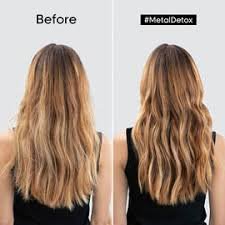
Dryness, frizz, split ends, rough texture, and frequent breakage are common signs that your hair needs more careful treatment. Heat styling, bleaching, coloring, chemical straightening, tight hairstyles, and rough handling can gradually weaken the hair shaft. The best hair treatments for damaged hair focus on improving moisture, reducing breakage, protecting the hair from additional stress, and making strands easier to manage. However, damaged hair cannot simply “heal” itself because the visible hair shaft is not living tissue. The goal is to protect existing strands while supporting healthier hair growth from the scalp.
Dermatologists recommend practical measures such as regular conditioning, gentle detangling, reducing excessive heat, and avoiding damaging styling practices.
What Causes Hair Damage?
Before choosing a damaged hair treatment, it helps to understand what is causing the problem.
Common causes include:
- Frequent flat-iron or curling-iron use
- Excessive blow-drying
- Bleaching and frequent coloring
- Chemical straightening or relaxing
- Tight ponytails, buns, braids, or extensions
- Rough towel drying
- Aggressive brushing
- Excessive sun exposure
- Washing with unsuitable products
- Repeated chemical treatments
The American Academy of Dermatology notes that excessive heat can damage hair, while coloring, perming, relaxing, and tight hairstyles can also contribute to breakage and other problems.
Finding the main source of damage is important because even the most expensive treatment will have limited value if the damaging habit continues.
Best Hair Treatments for Damaged Hair
There is no single treatment that works for every type of damage. The best approach depends on whether your hair mainly needs moisture, strengthening, protection, or a combination of these.
1. Deep Conditioning Treatment for Damaged Hair
A deep-conditioning treatment is one of the simplest ways to improve the feel and manageability of dry, damaged strands.
Look for formulas containing moisturizing and conditioning ingredients such as:
- Glycerin
- Shea butter
- Fatty alcohols
- Plant oils
- Ceramides
- Conditioning agents
Apply the treatment mainly to the lengths and ends, particularly if your scalp becomes oily easily.
Deep conditioning can make hair feel softer and easier to detangle, although it does not permanently repair severely damaged strands.
For regular hair care, dermatologists recommend using conditioner after shampooing because it helps moisturize, detangle, and improve manageability.
2. Protein Treatment for Weak, Damaged Hair
Hair that has been heavily processed may feel weak, overly stretchy, or prone to snapping. In these situations, a protein-containing treatment may help improve the hair’s temporary strength and feel.
Common ingredients include:
- Hydrolyzed keratin
- Hydrolyzed wheat protein
- Hydrolyzed silk
- Amino acids
- Rice protein
Protein treatments should not automatically replace moisturizing conditioners. Some hair responds better to occasional strengthening treatments followed by adequate conditioning.
If your hair becomes stiff or rough after protein products, reduce their frequency and focus more on conditioning.
3. Leave-In Conditioner for Hair Breakage
A leave-in conditioner can be particularly useful when your hair tangles easily or becomes rough between washes.
It can provide slip, making detangling easier and reducing unnecessary pulling. The AAD also recommends leave-in conditioner or detangler for fragile hair because these products can help reduce breakage, split ends, and frizz.
Apply a small amount through damp lengths and ends. Fine hair may need only a lightweight spray, while thick or curly hair may benefit from a richer formula.
Best Hair Treatments for Heat-Damaged Hair
Heat is one of the most common sources of preventable hair damage.
Repeated exposure to flat irons, curling wands, hot brushes, and high-temperature blow-dryers can leave hair dry, brittle, and prone to breakage. Dermatologists recommend reducing heat styling and using low or medium settings when heat is necessary.
Heat Protection Treatment
A heat-protecting product should be part of your routine if you regularly use styling tools.
However, heat protectant is not a license to use maximum temperature. Combine protection with:
- Lower heat settings
- Fewer styling sessions
- Shorter contact time
- Completely dry hair before using a flat iron
- Air-drying whenever practical
This combination can help reduce additional stress on already fragile strands.
Best Hair Treatments for Bleached or Chemically Damaged Hair
Bleaching and chemical processing can significantly affect the hair’s structure. Lightening hair more than a few shades generally requires stronger chemical processing, which can increase damage. The AAD recommends allowing more time between chemical services and taking steps to protect processed hair.
For chemically damaged hair, create a simple repair-focused routine:
Step 1: Use a gentle shampoo on the scalp.
Step 2: Apply a moisturizing conditioner to the lengths.
Step 3: Use a deep-conditioning mask periodically.
Step 4: Apply leave-in conditioner to reduce friction.
Step 5: Minimize heat styling.
Step 6: Avoid overlapping chemical treatments whenever possible.
Step 7: Trim severely split ends when necessary.
If your hair is extremely fragile after bleaching, continuing to bleach or chemically process already damaged lengths can make breakage worse.
Hair Oil for Dry and Damaged Hair
Hair oils can help improve softness, reduce friction, and make dry strands appear smoother.
Coconut oil has received particular attention in hair-care research, and Cleveland Clinic notes that studies suggest certain oils may help moisturize hair and improve the appearance of damaged strands. However, oils should be viewed as supportive care rather than a permanent repair for split or broken hair.
Popular options include:
- Coconut oil
- Argan oil
- Jojoba oil
- Avocado oil
- Almond oil
Use a small amount on the mid-lengths and ends. Too much oil can make hair look greasy and may be difficult to remove.
Best Hair Treatments for Split Ends
Split ends are a visible sign of hair-shaft damage. Unfortunately, no conditioner, serum, or oil can permanently fuse a split end back together.
Products can temporarily smooth the appearance, but trimming is the most reliable way to remove severely split ends.
To reduce future splitting:
- Condition after shampooing
- Avoid aggressive brushing
- Detangle gently
- Reduce excessive heat
- Use a wide-tooth comb when appropriate
- Avoid repeatedly pulling the hair
- Protect hair during chemical treatments
The AAD specifically recommends gentle detangling and minimizing unnecessary brushing because excessive mechanical stress can contribute to breakage and split ends.
Best Hair Treatments for Dry and Frizzy Hair
If your main concerns are dryness and frizz, focus on moisture and reducing friction.
A simple routine can include:
Gentle shampoo → moisturizing conditioner → leave-in conditioner → lightweight serum or oil
Avoid aggressively rubbing wet hair with a towel. Instead, gently wrap it in a towel or T-shirt to absorb excess water. Dermatologists also recommend being gentle with wet hair because it is more vulnerable to breakage.
For curly or textured hair, conditioning and gentle detangling are especially important because the shape of the strand can make it more vulnerable to dryness and breakage.
Hair Care Routine for Damaged Hair
A consistent routine can be more useful than constantly switching between products.
Wash Gently
Apply shampoo primarily to the scalp rather than aggressively rubbing the entire length of the hair. As you rinse, the shampoo will naturally travel through the lengths.
Condition Every Wash
Apply conditioner after shampooing. Focus on the ends if your hair is fine or straight, while dry or curly hair may benefit from conditioning more of the length.
Detangle Carefully
Use a wide-tooth comb and start at the ends before gradually working upward. Avoid aggressively pulling through knots.
Reduce Heat
Allow your hair to air-dry when possible. If you use a blow-dryer, choose a lower heat setting and keep the dryer moving.
Protect the Ends
Leave-in conditioner, a small amount of hair serum, or lightweight oil can help reduce friction and improve the appearance of dry ends.
How to Prevent Further Hair Damage
Repair-focused products are helpful, but prevention is even more important.
Avoid these common habits:
- Using high heat every day
- Brushing aggressively
- Rubbing hair dry with a towel
- Frequently changing hair color
- Overlapping chemical treatments
- Wearing very tight hairstyles
- Pulling through knots
- Using excessive styling products
- Ignoring severe breakage
The AAD recommends reducing heat, avoiding tight hairstyles, handling wet hair gently, and using conditioner regularly to help minimize damage.
Sun exposure can also affect hair. UV exposure may dry and weaken strands and can fade colored hair, so hats and appropriate hair protection can be useful when spending significant time outdoors.
When Should You See a Dermatologist?
Not every hair problem is simply caused by dryness or styling.
Consider seeing a board-certified dermatologist if you notice:
- Sudden or excessive hair loss
- Visible thinning
- Bald patches
- Persistent scalp itching or inflammation
- Significant breakage despite changing your routine
- Pain or burning of the scalp
- Major changes in hair texture
- Hair problems that continue without an obvious cause
The AAD recommends professional evaluation when hair-care changes do not improve the problem, particularly when thinning or hair loss is involved.
This is an important part of evidence-based hair care because hair loss can have many different causes, and treating the underlying issue is more effective than simply adding cosmetic products.
Frequently Asked Questions About Damaged Hair
What is the best treatment for damaged hair?
The best treatment depends on the type of damage. Moisturizing conditioners, deep-conditioning masks, leave-in conditioners, occasional protein treatments, and reduced heat styling can help improve the appearance and manageability of damaged hair.
Can damaged hair become healthy again?
Damaged hair cannot biologically heal itself because the visible hair shaft is nonliving. However, proper conditioning, gentle handling, trimming, and prevention can make existing hair look and feel healthier while new hair grows.
How often should I use a hair mask for damaged hair?
For many people, a weekly conditioning mask is a reasonable starting point. Very dry or processed hair may need more conditioning, while fine hair can become weighed down by heavy products.
Is protein treatment good for damaged hair?
Protein treatments can be useful for some weak or chemically processed hair. However, they should be balanced with moisturizing care, and excessive protein use may leave some hair feeling stiff or rough.
How can I repair heat-damaged hair?
Reduce heat styling, use lower temperatures, apply a suitable heat protectant, condition regularly, and trim severely damaged ends. Preventing additional heat damage is essential.
What is the best treatment for split ends?
A haircut or trim is the most reliable way to remove split ends. Conditioners, oils, and smoothing products can temporarily improve their appearance but cannot permanently repair a split strand.
Final Thoughts
The Best Hair Treatments for Damaged Hair are not necessarily the most expensive products. A successful routine combines moisture, gentle handling, appropriate strengthening care, heat protection, and prevention of further chemical or mechanical damage.
Start by identifying what is making your hair fragile. Then build a simple routine around your specific needs instead of using multiple treatments at once. With consistency, you can improve softness, manageability, shine, and the overall appearance of your hair.
For more practical beauty, skincare, and hair-care guidance, visit SkinWiseDaily and explore expert-focused beauty content designed for everyday routines.
Leave a Reply
You must be logged in to post a comment.