

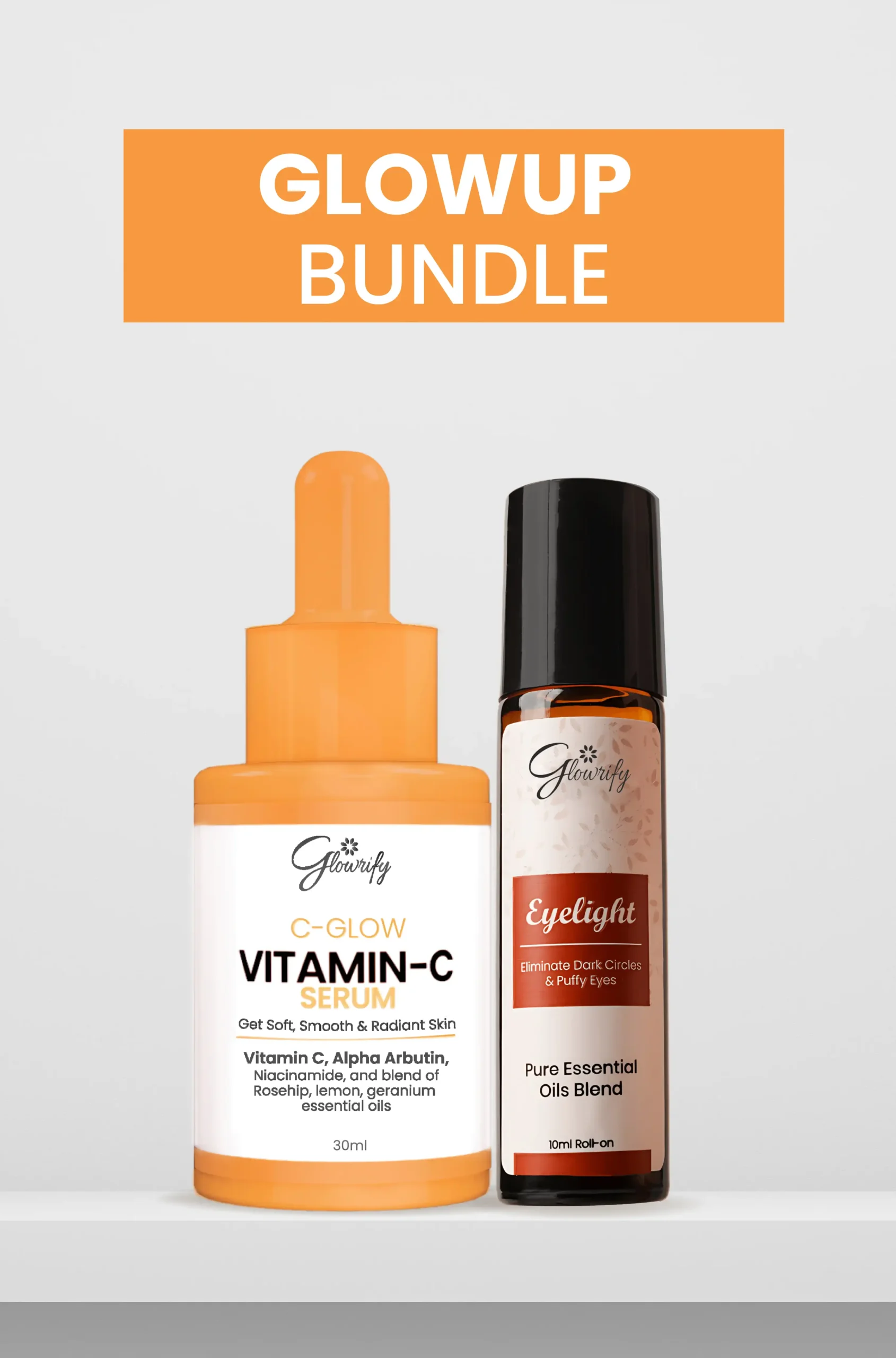
Glowing skin does not always require a complicated routine. The right combination of hydrating, brightening, and protective ingredients can help skin look smoother, fresher, and more radiant. The Best Glow-boosting blends combine complementary ingredients that target common concerns such as dullness, dryness, uneven-looking tone, and rough texture. Vitamin C, niacinamide, hyaluronic acid, antioxidants, and gentle exfoliants are popular choices.
However, effective skincare is about balance. Using too many active ingredients at once can irritate the skin. A simple routine that you can follow consistently is often the better approach.
Editor’s Note: Skincare results vary from person to person. Ingredient performance also depends on formulation, concentration, skin type, and consistent use.
What Are the Best Glow-Boosting Blends?
The Best Glow-boosting blends pair ingredients that perform different but complementary roles.
For example, vitamin C can support brighter-looking skin, while hyaluronic acid focuses on hydration. Niacinamide can support the skin barrier and improve the appearance of uneven tone.
Some useful combinations include:
- Vitamin C + hyaluronic acid
- Niacinamide + hyaluronic acid
- Vitamin C + vitamin E
- Niacinamide + ceramides
- Gentle exfoliating acids + hydrating ingredients
- Antioxidants + sunscreen
The goal is not to use every ingredient. Instead, select combinations based on your skin concerns.
Best Glow-Boosting Blends With Vitamin C
Vitamin C is one of the most popular ingredients for dull and uneven-looking skin.
Topical vitamin C has antioxidant properties. It can also help improve the appearance of uneven pigmentation and support brighter-looking skin.
Vitamin C and Hyaluronic Acid
This combination works well when you want both radiance and hydration.
Vitamin C targets the appearance of dullness and uneven tone. Hyaluronic acid helps attract moisture to the skin.
Together, they can create a simple morning routine.
How to use: Apply your vitamin C serum first. Follow with a hydrating product or moisturizer. Finish with sunscreen.
Vitamin C and Vitamin E
Vitamin E is another antioxidant used in skincare formulas.
Some formulations combine vitamin C and vitamin E to provide antioxidant support. However, the exact benefits depend on the product formulation.
When choosing a vitamin C product, look beyond the ingredient name. Stability and packaging also matter.
Best Glow-Boosting Blends With Niacinamide
Niacinamide, also called vitamin B3, is a versatile skincare ingredient.
It can help support the skin barrier and improve the appearance of uneven tone. It may also help reduce the appearance of enlarged pores and excess oil.
Niacinamide and Hyaluronic Acid
This combination is ideal for people who want hydration without a complicated routine.
Hyaluronic acid helps provide moisture. Niacinamide supports the skin barrier.
Use both in a simple routine followed by moisturizer.
Niacinamide and Ceramides
This pairing can be especially useful when your skin feels dry or sensitive.
Ceramides help support the skin barrier. Niacinamide can complement that barrier-focused routine.
Choose gentle formulas if your skin reacts easily.
Hydrating Ingredients for a Natural Glow
Hydration plays an important role in the appearance of healthy skin.
Dehydrated skin can look dull, rough, or tired. Adding hydrating ingredients can help improve its overall appearance.
Hyaluronic Acid
Hyaluronic acid is a humectant. It attracts water and helps maintain skin hydration.
It is commonly found in serums, moisturizers, and hydrating masks.
Glycerin
Glycerin is another effective humectant.
It helps attract moisture and is found in many skincare products.
Because glycerin works well in different formulations, it can be a useful ingredient for almost any skin type.
Ceramides
Ceramides are lipids naturally found in the skin barrier.
A moisturizer containing ceramides can help support the barrier and reduce moisture loss.
Exfoliating Blends for Dull Skin
Exfoliation can help remove dead skin cells from the surface.
This can make skin appear smoother and brighter. However, over-exfoliation can cause irritation.
Alpha Hydroxy Acids
AHAs such as glycolic acid and lactic acid are commonly used to improve the appearance of rough texture and dullness.
Start with a low-frequency routine if you are new to chemical exfoliation.
Salicylic Acid
Salicylic acid is a beta hydroxy acid. It can penetrate oil and is commonly used in products for acne-prone and congested skin.
It may be a better choice when dullness occurs alongside clogged pores.
Do not automatically combine several exfoliating acids. Start with one active and monitor your skin.
Best Glow-Boosting Blends for Different Skin Types
Your skin type should influence your ingredient choices.
Glow-Boosting Blends for Dry Skin
Dry skin usually benefits from hydration and barrier support.
Consider:
- Hyaluronic acid
- Glycerin
- Ceramides
- Squalane
- Niacinamide
Follow your serum with a moisturizer to help lock in hydration.
Glow-Boosting Blends for Oily Skin
Oily skin still needs moisture.
Lightweight ingredients can provide hydration without creating a heavy feeling.
Consider:
- Niacinamide
- Hyaluronic acid
- Salicylic acid
- Lightweight gel moisturizers
Look for non-comedogenic products if you are prone to clogged pores.
Glow-Boosting Blends for Sensitive Skin
Sensitive skin needs a slower approach.
Start with gentle hydrating ingredients. Avoid introducing multiple acids, retinoids, and brightening treatments at the same time.
Fragrance-free products may also be preferable if fragrance irritates your skin.
Glow-Boosting Blends for Combination Skin
Combination skin benefits from a balanced routine.
Use lightweight hydration across the face. Add richer products only where dryness occurs.
How to Use Glow-Boosting Blends in Your Routine
The order of your skincare products can keep your routine simple.
Morning Glow Routine
Try this basic sequence:
- Gentle cleanser
- Vitamin C serum
- Hydrating serum
- Moisturizer
- Broad-spectrum sunscreen
You do not need every step. Choose products according to your skin’s needs.
Evening Glow Routine
A simple evening routine can include:
- Cleanser
- Niacinamide or another targeted serum
- Moisturizer
If you use exfoliating acids or retinoids, follow their individual directions.
Best Glow-Boosting Blends: Ingredients You Should Not Overuse
Combining skincare ingredients requires some care.
Using multiple strong actives can increase the risk of irritation. This is especially important for sensitive skin.
Avoid creating an overly complicated routine with several exfoliants, retinoids, and strong brightening products.
Instead, introduce one new active at a time.
If you experience persistent redness, burning, swelling, or irritation, stop using the product and seek professional advice.
The American Academy of Dermatology recommends introducing anti-aging products one at a time and stopping products that cause significant burning or stinging. American Academy of Dermatology: How to Maximize Results From Anti-Aging Products
Why Sunscreen Is Essential for Glowing Skin
No glow-focused routine is complete without sunscreen.
UV exposure can contribute to premature skin aging and uneven pigmentation. Daily sun protection helps protect the results of your skincare routine.
Choose a broad-spectrum sunscreen with SPF 30 or higher.
Apply it every morning as the final skincare step before makeup.
The American Academy of Dermatology recommends broad-spectrum SPF 30 or higher for daily sun protection. American Academy of Dermatology: Sunscreen FAQs
Expert Tips for Naturally Radiant Skin
Skincare products are only one part of achieving a healthy-looking glow.
Keep Your Routine Consistent
Changing products constantly makes it difficult to determine what works.
Give your routine enough time before making major changes.
Prioritize Hydration
Use a gentle cleanser and moisturizer suited to your skin type.
Well-hydrated skin often looks smoother and more radiant.
Protect Your Skin Every Day
Daily sunscreen should remain a priority.
It helps protect against UV-related damage and supports long-term skin health.
Avoid Over-Exfoliation
Exfoliating too frequently can weaken the skin barrier and cause irritation.
Use exfoliating products according to their directions.
Choose Products for Your Skin
Do not copy someone else’s entire skincare routine.
Your skin may have different needs. Focus on ingredients that address your specific concerns.
Best Glow-Boosting Blends: How Long Do They Take to Work?
The timeline depends on the ingredient and your skin concern.
Hydrating products can make skin feel softer relatively quickly. Brightening ingredients may require consistent use over several weeks.
Exfoliating products can make skin feel smoother after several uses, but excessive use can cause irritation.
Remember that skincare is not an overnight transformation. Consistency and sun protection are more valuable than constantly chasing new products.
Frequently Asked Questions About Glow-Boosting Skincare
What are the Best Glow-boosting blends for dull skin?
Vitamin C with hydrating ingredients such as hyaluronic acid can be a useful combination for dull-looking skin. Niacinamide is another option for improving the appearance of uneven tone.
Can I use vitamin C and niacinamide together?
Yes. Modern formulations commonly combine these ingredients. If your skin is sensitive, introduce new products gradually.
What is the best ingredient for glowing skin?
There is no single best ingredient for everyone. Vitamin C, niacinamide, hyaluronic acid, and gentle exfoliating acids can each support different aspects of a radiant appearance.
Can hyaluronic acid make skin glow?
Hyaluronic acid supports hydration. Well-hydrated skin can look plumper, smoother, and more radiant.
How often should I exfoliate for glowing skin?
It depends on the exfoliant and your skin’s tolerance. Follow the product directions and reduce frequency if irritation occurs.
Can I use niacinamide every day?
Many people use niacinamide daily. However, follow the instructions for your specific product and adjust your routine if irritation develops.
Does sunscreen help maintain glowing skin?
Yes. Sunscreen helps protect skin from UV exposure, which can contribute to premature aging and uneven pigmentation. The AAD recommends broad-spectrum SPF 30 or higher. AAD Sunscreen Guide
What should I use for glowing skin at night?
A simple routine can include a gentle cleanser, hydrating or targeted serum, and moisturizer. Avoid using too many strong active ingredients together.
Where can I find dermatologist-backed skincare advice?
The American Academy of Dermatology provides dermatologist-backed information about skincare, sunscreen, acne, aging, and common skin concerns. American Academy of Dermatology
Final Thoughts
The Best Glow-boosting blends are not about using the largest number of products. They are about combining complementary ingredients that suit your skin.
Vitamin C can support brighter-looking skin. Hyaluronic acid can provide hydration. Niacinamide can support the skin barrier. Gentle exfoliants can improve the appearance of rough texture.
Start with a simple routine and introduce new ingredients gradually.
Most importantly, use sunscreen every morning. Healthy-looking skin comes from consistent care rather than quick fixes.
For more practical skincare, makeup, and beauty advice, visit SkinWiseDaily and explore our latest beauty guides and expert-inspired skincare tips.
Leave a Reply
You must be logged in to post a comment.