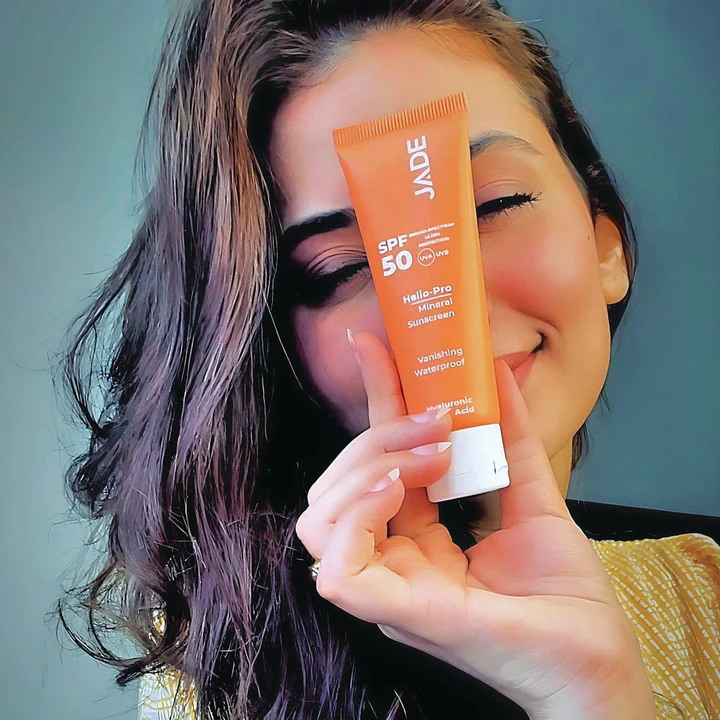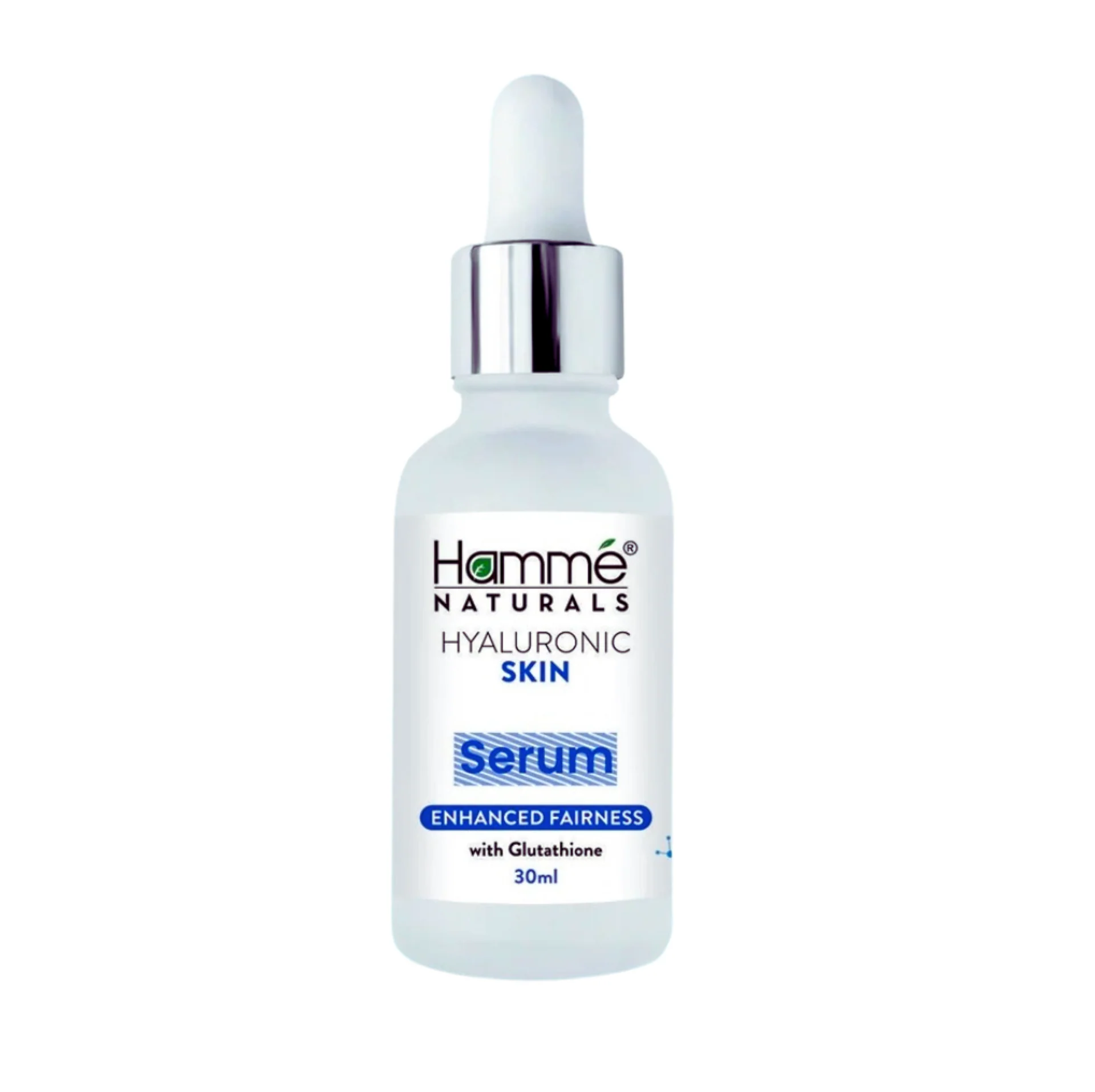
If your skin feels tight, dry, or dull, adding a hydrating serum can make your routine more effective. Among the many options available, the best hyaluronic acid serum can help boost skin hydration and create a softer, smoother-looking complexion.
Hyaluronic acid is a humectant. It attracts water and helps the skin maintain moisture. It is also naturally present in the body, including the skin.
However, not every hyaluronic acid serum is identical. Formulation, supporting ingredients, molecular size, texture, and your skin type can all affect how a product feels and performs.
Editor’s Note: Skincare results vary between individuals. A hyaluronic acid serum supports hydration, but it cannot replace sunscreen, moisturizer, or professional treatment for persistent skin concerns.
What Is Hyaluronic Acid?
Hyaluronic acid is a naturally occurring substance that helps retain water.
In skincare, it is commonly used as a humectant. Humectants attract moisture and help give skin a hydrated appearance.
When applied topically, hyaluronic acid can make skin feel softer and look more plump.
It is commonly found in:
- Serums
- Moisturizers
- Face masks
- Eye creams
- Hydrating toners
Because it focuses mainly on hydration, hyaluronic acid can fit into many different skincare routines.
Best Hyaluronic Acid Serum: What Makes One Effective?
Choosing the best hyaluronic acid serum involves more than looking for the words “hyaluronic acid” on the label.
A well-formulated serum should suit your skin type and work comfortably with the rest of your routine.
Look for Multiple Hydrating Ingredients
Some formulas combine hyaluronic acid with other humectants and moisturizing ingredients.
Common examples include:
- Glycerin
- Panthenol
- Betaine
- Aloe vera
- Ceramides
- Squalane
These ingredients can complement hyaluronic acid and provide broader hydration support.
Consider Different Molecular Weights
Hyaluronic acid can appear in different molecular weights.
Higher-molecular-weight forms tend to remain closer to the skin surface. Smaller forms are formulated differently and may interact with the skin in different ways.
Rather than choosing a product based solely on molecular weight, consider the complete formulation.
Choose a Texture That Suits Your Skin
If you have oily or combination skin, a lightweight gel serum may feel more comfortable.
Dry skin may benefit from a serum followed by a richer moisturizer.
Your skin should feel hydrated rather than sticky or overly heavy.
Benefits of the Best Hyaluronic Acid Serum
Hyaluronic acid primarily supports hydration. That simple function can provide several visible benefits.
Best Hyaluronic Acid Serum for Dry Skin
Dry skin can feel tight, rough, or uncomfortable.
A hydrating serum can help improve the skin’s moisture level and create a softer appearance.
For very dry skin, follow your serum with a moisturizer. This helps support the skin barrier and reduce moisture loss.
Best Hyaluronic Acid Serum for Plump-Looking Skin
Hydrated skin often looks fuller and smoother.
Because hyaluronic acid attracts water, it can temporarily improve the appearance of fine lines caused by dryness.
This does not mean it permanently removes wrinkles. Instead, it improves the overall appearance of hydrated skin.
Best Hyaluronic Acid Serum for Dull Skin
Dehydration can contribute to a tired-looking complexion.
Adding hydration can help skin appear fresher and more radiant.
For additional brightening benefits, consider pairing your hydrating serum with ingredients such as vitamin C or niacinamide.
Best Hyaluronic Acid Serum for Sensitive Skin
Hyaluronic acid is generally considered a gentle hydrating ingredient.
Still, the complete formula matters.
If your skin is sensitive, choose a simple fragrance-free formula and avoid introducing several new active products at the same time.
How to Choose the Best Hyaluronic Acid Serum for Your Skin Type
Your skin type should guide your choice.
For Dry Skin
Choose a serum with multiple hydrating ingredients.
Look for:
- Hyaluronic acid
- Glycerin
- Ceramides
- Panthenol
- Squalane
Follow it with a moisturizer to help maintain hydration.
For Oily Skin
Oily skin can still become dehydrated.
Choose a lightweight, water-based serum. Avoid overly rich formulas if they make your skin feel greasy.
Look for non-comedogenic products if you are prone to clogged pores.
For Combination Skin
Combination skin often needs targeted hydration.
Use a lightweight serum across the face. Apply additional moisturizer to areas that feel dry.
For Sensitive Skin
Keep the routine simple.
A fragrance-free formula with a short ingredient list may be a good starting point.
Patch-test new products before applying them to your entire face.
How to Use a Hyaluronic Acid Serum
Application technique can affect how comfortable the serum feels.
Apply Hyaluronic Acid to Slightly Damp Skin
After cleansing, gently pat your face dry while leaving a little moisture on the skin.
Apply a few drops of your serum. Gently press or massage it into your face.
Then apply moisturizer.
This simple method helps integrate the serum into a hydration-focused routine.
Follow With Moisturizer
A hyaluronic acid serum is not necessarily enough on its own.
A moisturizer can help reduce water loss and support the skin barrier.
Think of the serum as a hydration step and the moisturizer as a barrier-supporting step.
Use Sunscreen in the Morning
If you apply the serum during the day, finish with broad-spectrum sunscreen.
The American Academy of Dermatology recommends using a broad-spectrum sunscreen with SPF 30 or higher. American Academy of Dermatology: Sunscreen FAQs
Best Hyaluronic Acid Serum Combinations
Hyaluronic acid is easy to combine with many skincare ingredients.
Hyaluronic Acid and Niacinamide
This is a popular combination for hydration and barrier support.
Niacinamide can help improve the appearance of uneven tone and support the skin barrier, while hyaluronic acid focuses on hydration.
Hyaluronic Acid and Vitamin C
Vitamin C provides antioxidant support and can help improve the appearance of uneven pigmentation.
Hyaluronic acid adds hydration.
Together, they can work well in a morning routine.
Hyaluronic Acid and Ceramides
This combination is particularly useful for dry or dehydrated skin.
Hyaluronic acid attracts moisture. Ceramides help support the skin barrier.
Follow both with a suitable moisturizer.
Hyaluronic Acid and Retinol
Retinol can sometimes cause dryness when you first introduce it.
Adding hydrating products to your routine may help improve comfort.
However, introduce retinol gradually and follow the product’s directions.
The American Academy of Dermatology provides guidance on introducing retinoids and managing potential irritation. AAD: Retinoid or Retinol?
Common Mistakes When Using Hyaluronic Acid Serum
Even a gentle hydrating ingredient can be used incorrectly.
Using Too Much Product
More serum does not automatically mean more hydration.
Follow the product instructions and use the recommended amount.
Skipping Moisturizer
A serum alone may not provide enough lasting hydration.
Follow it with moisturizer, especially if your skin is dry.
Applying It to Completely Dry Skin
Many people prefer applying hyaluronic acid to slightly damp skin.
Then follow with moisturizer.
This creates a simple hydration-focused routine.
Mixing Too Many Actives
Hyaluronic acid itself is not an exfoliating active.
However, your complete routine may contain acids, retinoids, or other strong ingredients.
Introduce new actives gradually to reduce the chance of irritation.
How Often Should You Use Hyaluronic Acid Serum?
Many hyaluronic acid serums can be used once or twice daily.
However, always follow the instructions for your specific product.
A simple routine could look like this:
Morning:
Cleanser → Hyaluronic Acid Serum → Moisturizer → Sunscreen
Evening:
Cleanser → Hyaluronic Acid Serum → Moisturizer
Consistency is more important than using a large amount.
Expert Tips for Better Skin Hydration
Good hydration involves more than one serum.
Use a Gentle Cleanser
Harsh cleansing can leave skin feeling dry and tight.
Choose a cleanser that suits your skin type.
Moisturize Regularly
Apply moisturizer after hydrating products.
This helps maintain a comfortable skin barrier.
Protect Your Skin From the Sun
Daily sunscreen is essential for long-term skin health.
UV exposure contributes to premature visible skin aging.
Avoid Over-Exfoliation
Exfoliation can improve texture, but excessive use can irritate the skin.
If your skin becomes dry or uncomfortable, reduce exfoliation and focus on barrier support.
Give Your Routine Time
Do not change your entire routine every few days.
Allow your products enough time to show their benefits.
Best Hyaluronic Acid Serum: How Long Does It Take to Work?
Hydration is one of the skincare benefits that may be noticeable relatively quickly.
Your skin can feel softer and more comfortable after using a well-formulated hydrating product.
However, visible changes can vary.
Factors such as your skin type, environment, existing skincare routine, and product formulation can influence results.
If your skin remains persistently dry, irritated, or uncomfortable despite consistent skincare, consider consulting a dermatologist.
Frequently Asked Questions About Hyaluronic Acid Serum
What is the best hyaluronic acid serum?
The best product depends on your skin type and needs. Look for a well-formulated serum that combines hyaluronic acid with complementary hydrating ingredients such as glycerin or panthenol.
Can I use hyaluronic acid every day?
Yes. Many hyaluronic acid serums are suitable for daily use. Follow the directions on your specific product.
Should I apply hyaluronic acid before moisturizer?
Yes. A common routine is to apply a hydrating serum before moisturizer. This allows the moisturizer to provide an additional barrier-supporting layer.
Can I use hyaluronic acid with vitamin C?
Yes. These ingredients can work well together. Vitamin C provides antioxidant benefits, while hyaluronic acid supports hydration.
Can I use hyaluronic acid with niacinamide?
Yes. Hyaluronic acid and niacinamide are commonly used together. This combination can support hydration and the skin barrier.
Is hyaluronic acid good for oily skin?
Yes. Oily skin can still become dehydrated. A lightweight hyaluronic acid serum can provide hydration without a heavy texture.
Is hyaluronic acid good for sensitive skin?
Many people with sensitive skin tolerate hyaluronic acid well. However, check the complete ingredient list and choose a gentle formula if your skin reacts easily.
Can hyaluronic acid remove wrinkles?
Hyaluronic acid does not permanently remove wrinkles. It can hydrate the skin and temporarily make fine lines appear less noticeable.
Can I use hyaluronic acid at night?
Yes. You can use it as part of your evening skincare routine. Apply the serum after cleansing and follow with moisturizer.
Where can I find dermatologist-backed skincare advice?
The American Academy of Dermatology offers dermatologist-backed information about skincare, hydration, sunscreen, and common skin concerns. American Academy of Dermatology: Skin Care Basics
Final Thoughts
The best hyaluronic acid serum is one that fits your skin type, routine, and hydration needs.
Hyaluronic acid can help attract moisture and create softer, smoother, more plump-looking skin. For better results, pair it with a moisturizer and daily sunscreen.
You do not need a complicated routine. Start with gentle cleansing, hydration, moisturization, and sun protection. Then add targeted ingredients according to your skin concerns.
For more skincare, beauty, and wellness advice, visit SkinWiseDaily and discover practical guides for building a simple, effective skincare routine.