

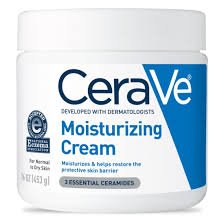
Dry skin can feel tight, rough, flaky, or uncomfortable, especially after cleansing or exposure to cold, dry air. The right moisturizer can help replenish hydration and support the skin barrier, making your complexion feel softer and more comfortable. The Best Moisturizer for Dry Skin is not necessarily the most expensive product on the shelf. What matters more is the formula, ingredients, texture, and how well it fits your skin’s needs. Dermatologists commonly recommend moisturizers containing ingredients such as ceramides, glycerin, hyaluronic acid, petrolatum, and other emollients or occlusives for dry skin.
A good moisturizer should also be comfortable enough for regular use. After all, consistency is one of the most important parts of a successful skincare routine.
Why Does Dry Skin Need a Good Moisturizer?
Your skin naturally contains oils and lipids that help maintain its protective outer barrier. When that barrier loses too much moisture, skin can become dry, rough, flaky, or sensitive.
Common triggers include:
- Cold or dry weather
- Hot showers
- Harsh cleansers
- Over-exfoliation
- Low humidity
- Frequent washing
- Some acne or anti-aging treatments
- Certain underlying skin conditions
Moisturizers work in several ways. Humectants attract water, emollients soften and smooth the skin, while occlusives help reduce water loss. A well-formulated product may combine several of these ingredient types.
Signs You May Have Dry Skin
You may notice:
- Tightness after washing
- Flaky patches
- Rough texture
- Dull-looking skin
- Fine lines appearing more noticeable
- Mild itching
- Increased sensitivity
If dryness becomes painful, cracked, bleeding, persistently itchy, or develops with a rash, it may be more than ordinary dry skin. In that situation, consider consulting a dermatologist.
Best Moisturizer for Dry Skin: Key Ingredients to Look For
The ingredient list can tell you more about a moisturizer than its packaging or price.
Ceramides for Skin Barrier Support
Ceramides are lipids naturally found in the outer layers of skin. They help support the skin barrier and reduce moisture loss.
A moisturizer containing ceramides can be especially useful when your skin feels dry or compromised. Cleveland Clinic notes that ceramides work well alongside humectants, emollients, and occlusives.
Look for names such as:
- Ceramide NP
- Ceramide AP
- Ceramide EOP
Hyaluronic Acid for Hydration
Hyaluronic acid is a humectant that attracts and binds water.
It can help give dry skin a more hydrated and plump appearance. It is often combined with ceramides and other moisturizing ingredients.
Glycerin
Glycerin is another effective humectant frequently found in moisturizers.
It helps attract water and is suitable for many skin types.
Shea Butter
Shea butter is an emollient that can help soften rough, dry skin.
It is particularly popular in richer creams designed for very dry skin.
Petrolatum
Petrolatum is an occlusive ingredient that helps reduce water loss from the skin.
It can be especially helpful for extremely dry areas such as hands, elbows, heels, or dry patches.
Squalane
Squalane is an emollient that can give moisturizers a smooth, nourishing texture while helping soften dry skin.
Urea
Urea can provide hydration and is also used in products formulated for rough or very dry skin. Higher concentrations may have additional keratolytic effects, so choose the concentration according to your needs and the product directions.
How to Choose a Moisturizer for Your Skin Type
Even if your skin is dry, your ideal moisturizer depends on more than dryness alone.
For Very Dry Skin
Choose a richer cream or ointment containing ingredients such as:
- Ceramides
- Petrolatum
- Shea butter
- Glycerin
- Squalane
- Hyaluronic acid
Creams and ointments generally provide more moisture than lightweight lotions, making them useful for very dry skin.
For Dry and Sensitive Skin
Keep the formula simple.
Look for:
- Fragrance-free products
- Ceramides
- Glycerin
- Hyaluronic acid
- Gentle emollients
Dermatologists commonly recommend fragrance-free products for dry, sensitive skin because fragrance can be irritating for some people.
For Dry and Acne-Prone Skin
Dryness and acne can occur together.
Choose a moisturizer labeled non-comedogenic when possible and avoid automatically choosing the richest formula available.
A lightweight cream or lotion may provide enough hydration without feeling overly heavy.
For Combination Skin
You do not necessarily need to apply the same amount everywhere.
Use a lighter layer on areas that become oily and a slightly richer layer on visibly dry areas.
Best Moisturizer for Dry Skin: Cream, Lotion, or Ointment?
Texture matters.
Cream
Creams contain a balance of water and oils and are usually richer than lotions.
They are a popular choice for dry facial skin.
Lotion
Lotions are generally lighter and can be useful when you want hydration without a heavy finish.
They may be suitable for mildly dry or combination skin.
Ointment
Ointments are the most occlusive of the three.
They are particularly useful for extremely dry, cracked areas, although they can feel greasy on the face.
For facial skincare, choose the texture that provides enough hydration without making your routine uncomfortable.
How to Apply Moisturizer Correctly
Application technique can make a noticeable difference.
Step 1: Cleanse Gently
Use lukewarm rather than very hot water and choose a gentle cleanser.
Avoid vigorous scrubbing.
Step 2: Leave Skin Slightly Damp
After cleansing, gently pat your face dry but do not completely remove every trace of moisture.
Applying moisturizer to damp skin can help trap water. Dermatology sources recommend moisturizing soon after washing.
Step 3: Apply Your Moisturizer
Use a comfortable amount and spread it evenly over your face and neck.
Do not rub aggressively.
Step 4: Repeat When Needed
Very dry skin may benefit from moisturizing more than once a day.
The AAD recommends applying moisturizer whenever skin feels dry and after washing when appropriate.
Morning Moisturizing Routine for Dry Skin
A simple morning routine can include:
- Gentle cleanser
- Hydrating serum or toner
- Moisturizer
- Broad-spectrum sunscreen SPF 30+
If your moisturizer already contains SPF, make sure it provides adequate broad-spectrum protection and that you apply enough product to achieve the labeled protection.
Daily sunscreen remains important because UV exposure can contribute to premature skin aging and damage.
Nighttime Routine for Dry Skin
Nighttime is an ideal opportunity to focus on hydration.
Try:
- Gentle cleanser
- Hydrating serum
- Moisturizer
- Optional occlusive layer on particularly dry areas
If you use retinol, exfoliating acids, or other potentially drying treatments, introduce them carefully and adjust your routine if irritation develops.
Cleveland Clinic notes that hydrating ingredients such as hyaluronic acid and ceramides can be useful when skincare treatments contribute to dryness.
Best Moisturizer for Dry Skin in Different Seasons
Your skin’s needs can change with the weather.
Winter
Cold, dry air can increase moisture loss.
A richer cream containing ceramides, glycerin, or petrolatum may be more comfortable.
Summer
You may prefer a lighter lotion or cream, especially in hot and humid weather.
However, do not stop moisturizing simply because your skin feels less dry.
Air-Conditioned Rooms
Long periods in air-conditioned environments can leave skin feeling dry.
If needed, apply moisturizer more frequently and consider using a humidifier in particularly dry indoor environments.
Ingredients to Avoid or Use Carefully
Dry skin does not always need more active ingredients.
Fragrance
Fragrance can irritate sensitive or very dry skin.
A fragrance-free moisturizer is often the safer choice if your skin reacts easily.
Excessive Alcohol
Some alcohol-based formulas may feel drying, particularly when your skin barrier is already compromised.
Always consider the complete formulation rather than judging a product by one ingredient alone.
Strong Exfoliating Acids
Frequent exfoliation can make dry skin feel worse.
The AAD advises people with dry skin to avoid excessive exfoliation because it can further strip moisture.
Retinoids During Severe Dryness
Retinoids can be beneficial for certain skincare goals but may initially cause dryness or irritation.
If your skin is already severely dry, simplify your routine and speak with a dermatologist if necessary.
How to Get Better Results From Your Moisturizer
A few simple habits can improve your routine.
Keep showers lukewarm: Hot water can worsen dryness.
Moisturize immediately: Apply your moisturizer soon after washing.
Use gentle cleansers: Avoid products that leave your skin feeling stripped.
Avoid over-exfoliation: Dry flakes are not always a sign that you need a scrub.
Protect your skin from the sun: Use broad-spectrum SPF 30 or higher during the day.
Stay consistent: Regular moisturizing is more useful than occasional heavy application.
Common Moisturizer Mistakes
Applying Moisturizer Only When Skin Is Extremely Dry
Do not wait until your skin is uncomfortable.
Regular application can help maintain hydration.
Choosing a Product Based Only on Price
Expensive does not automatically mean effective.
Ingredient quality and formulation matter more than luxury packaging. Cleveland Clinic similarly emphasizes looking at ingredients rather than price alone.
Using Too Many Products
Layering numerous active ingredients can increase irritation.
A simple routine is often easier to maintain.
Exfoliating Dry, Flaky Skin
Scrubbing away flakes may temporarily smooth the surface but can further irritate dry skin.
Focus on moisturizing instead.
Frequently Asked Questions
What is the best moisturizer for dry skin?
The ideal moisturizer depends on your skin’s severity, sensitivity, and preferences. Look for creams containing ceramides, glycerin, hyaluronic acid, shea butter, petrolatum, or other moisturizing ingredients. Fragrance-free formulas can be particularly useful for sensitive dry skin.
Is cream better than lotion for dry skin?
Generally, creams and ointments provide more moisture than lightweight lotions and may be preferable for very dry skin. However, the best texture is the one that provides enough hydration and is comfortable for regular use.
Can I use moisturizer every day?
Yes. Daily moisturizing is a basic part of managing dry skin. You can apply moisturizer after cleansing and whenever your skin feels dry.
Should I apply moisturizer to wet or dry skin?
Apply it to slightly damp skin after gently patting away excess water. This can help trap moisture and improve hydration.
Are ceramides good for dry skin?
Yes. Ceramides are important components of the skin barrier and can help support moisture retention. They work particularly well alongside ingredients such as glycerin, hyaluronic acid, and other emollients.
Is hyaluronic acid good for dry skin?
Hyaluronic acid is a humectant that attracts water and can help improve the appearance and feel of hydrated skin. It is commonly paired with moisturizers and barrier-supportive ingredients.
Can dry skin use moisturizer with SPF?
Yes. A moisturizer with broad-spectrum SPF can combine hydration and sun protection. However, make sure you apply enough product to achieve the labeled SPF, or use a separate sunscreen if needed.
Why does my moisturizer burn my dry skin?
Burning or stinging may indicate irritation or a compromised skin barrier. Stop using a product that causes persistent irritation and simplify your routine. If symptoms continue or your skin becomes painful, cracked, bleeding, or develops a rash, consult a dermatologist.
How often should I moisturize dry skin?
At least once or twice daily is common, but very dry skin may need more frequent application. The AAD recommends moisturizing whenever skin feels dry and after washing.
Can moisturizer repair a damaged skin barrier?
A well-formulated moisturizer can support the skin barrier by improving hydration and reducing moisture loss. However, persistent or severe barrier problems may have an underlying cause that requires professional evaluation.
What should I avoid if I have very dry skin?
Avoid harsh cleansing, very hot showers, excessive exfoliation, and fragranced products if they irritate your skin. Focus on gentle, fragrance-free skincare and regular moisturizing.
For additional dermatologist-backed information, visit the American Academy of Dermatology and Cleveland Clinic’s skincare resources.
Final Thoughts
Finding the Best Moisturizer for Dry Skin is less about choosing the most expensive jar and more about finding a formula that delivers consistent hydration while supporting your skin barrier.
Look for ingredients such as ceramides, glycerin, hyaluronic acid, squalane, shea butter, or petrolatum. If your skin is sensitive, a fragrance-free formula is often a smart starting point.
Apply moisturizer to slightly damp skin, avoid over-exfoliation, keep showers comfortably warm rather than hot, and use daily sun protection. If dryness becomes severe or persistent, professional dermatological advice is important.
Your Skin Deserves Better Hydration
Want more practical skincare guides, ingredient explainers, and beauty recommendations?
Visit SkinWiseDaily for expert-informed skincare content, simple beauty routines, and helpful product guides.
Start with the basics, stay consistent, and give your skin the hydration it needs.
Leave a Reply
You must be logged in to post a comment.