

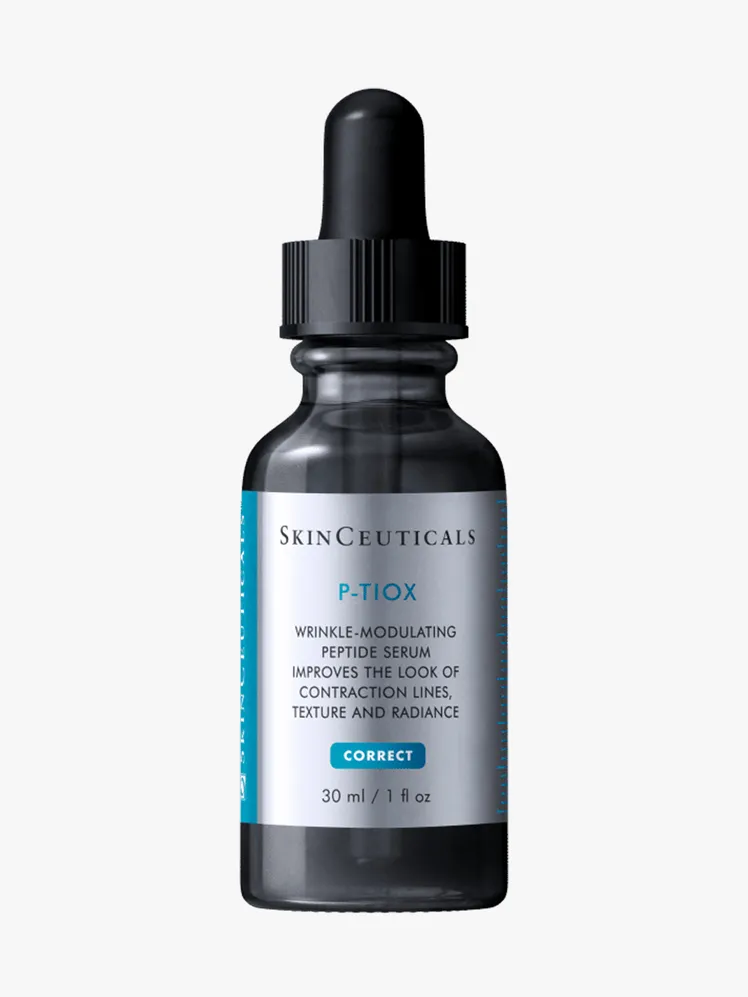
Your 30s can be an ideal time to build a consistent skincare routine focused on hydration, skin barrier support, sun protection, and visible signs of aging. Fine lines may become more noticeable, while skin can gradually lose some of its youthful firmness and elasticity. The Best Peptide Serum for 30s Skin should complement your existing routine rather than overwhelm it. Look for a well-formulated serum containing peptides alongside proven supporting ingredients such as hyaluronic acid, glycerin, niacinamide, antioxidants, or ceramides.
Peptides are short chains of amino acids used in cosmetic formulations for different purposes. Some are designed to signal skin-supporting processes, while others act as carrier or enzyme-inhibiting peptides. Research suggests certain topical peptide formulations may improve measures such as hydration, elasticity, texture, or the appearance of wrinkles, although results depend heavily on the specific peptide and formulation.
Why Use a Peptide Serum in Your 30s?
Skincare in your 30s does not need to focus entirely on “anti-aging.” Instead, think of it as healthy skin maintenance and prevention.
A peptide serum may be useful if you want to target the appearance of:
- Fine lines
- Uneven texture
- Dullness
- Loss of firmness
- Dehydration
- Early visible signs of skin aging
Peptides are also generally appealing to people who want an anti-aging ingredient without immediately introducing stronger actives.
However, peptides should not replace sunscreen. UV exposure is one of the major external contributors to visible skin aging, making daily sun protection a fundamental part of any anti-aging routine.
Are Peptides Really Effective?
The answer depends on the formulation.
Laboratory and clinical studies have reported promising results for some peptide-based products. For example, a randomized study of a topical di- and tripeptide formulation reported improvements in skin hydration and elasticity after 28 days, with additional changes in dermal measures after longer use.
At the same time, systematic reviews point out that clinical evidence for cosmetic peptides is still uneven. Study sizes, formulations, peptide types, and research methods vary considerably.
That is why it is better to judge a serum by its specific ingredients, formulation, testing, and realistic claims rather than choosing a product simply because the label says “peptide.”
Best Peptide Serum for 30s Skin: Key Ingredients to Consider
When comparing peptide serums, look beyond the word “peptide.”
Signal Peptides
Signal peptides are designed to communicate with skin cells and may encourage processes associated with extracellular matrix components such as collagen.
They are among the most commonly discussed peptide categories in anti-aging skincare.
Copper Peptides
Copper peptides are carrier peptides associated with copper ions.
They are widely used in cosmetic formulations focused on skin appearance, firmness, and recovery. However, product quality and formulation stability matter.
Palmitoyl Peptides
Palmitoylated peptides are designed to improve compatibility with skin’s lipid environment.
Examples include peptide combinations such as palmitoyl tripeptide-1 and palmitoyl tetrapeptide-7, which are frequently used in anti-aging skincare.
Acetyl Hexapeptide-8
This peptide is widely used in cosmetic products targeting the appearance of expression lines.
It is sometimes marketed as a gentler alternative to more intensive procedures, but cosmetic peptides should not be presented as equivalents to injectable treatments.
Multi-Peptide Formulas
A serum containing several peptide types may offer a broader approach than a single-peptide formula.
However, more peptides do not automatically mean better results. The overall formulation and concentration can matter more than the number of ingredients listed on the label.
How to Choose a Peptide Serum for Your 30s
Your skin type should influence your choice.
For Dry Skin
Look for peptides combined with:
- Hyaluronic acid
- Glycerin
- Ceramides
- Squalane
- Panthenol
A hydrating serum can be layered under a richer moisturizer.
For Oily Skin
Choose a lightweight serum with a water-based or gel-like texture.
Look for formulas that are:
- Lightweight
- Non-greasy
- Easy to layer
- Non-comedogenic when possible
For Combination Skin
A lightweight multi-peptide serum can work well across the face.
Follow it with a moisturizer, applying slightly more product to dry areas if needed.
For Sensitive Skin
Keep your routine simple.
A fragrance-free peptide serum with a limited number of potentially irritating actives may be easier to tolerate.
Patch-test new products when appropriate, especially if your skin is reactive.
Peptide Serum vs. Retinol: Which Is Better?
These ingredients work differently.
Peptides: Generally used to support the appearance of firmness, hydration, and smoother-looking skin.
Retinoids: Have stronger and more established evidence for addressing several signs of photoaging, although they can cause irritation and dryness. A recent 2026 review concluded that retinoids remain among the most consistently supported topical interventions for skin aging.
You do not necessarily have to choose one.
Some people use peptides in the morning and retinoids at night. Others prefer peptides alone because they are easier to tolerate.
If you are new to active skincare, introduce one product at a time.
How to Use the Best Peptide Serum for 30s Skin
A peptide serum is easy to incorporate into a basic routine.
Morning Routine
- Gentle cleanser
- Hydrating toner or essence, if desired
- Peptide serum
- Moisturizer
- Broad-spectrum sunscreen SPF 30 or higher
Sunscreen is the most important daytime step for protecting against UV-related skin aging.
Night Routine
- Cleanser
- Peptide serum
- Moisturizer
If you use retinol, exfoliating acids, or other active treatments, follow the instructions for those products and avoid introducing multiple strong actives at the same time.
Can You Use Peptides With Other Skincare Ingredients?
One advantage of peptide serums is that they can fit into relatively simple routines.
Peptides + Hyaluronic Acid
This is a useful combination for people who want both hydration and a peptide-focused treatment.
Hyaluronic acid acts as a humectant, while peptides serve different cosmetic functions depending on their type.
Peptides + Niacinamide
These ingredients can be used together in many skincare routines.
Niacinamide is commonly used for barrier support, uneven-looking tone, and oil balance.
Peptides + Ceramides
This pairing works well for a barrier-focused routine.
Ceramides help support the skin barrier, while peptides provide targeted cosmetic benefits.
Peptides + Vitamin C
Some products combine peptides with vitamin C and other antioxidants.
A 2022 observational study of a peptide, vitamin C, and hyaluronic acid formulation reported improvements in hydration and several visible signs of skin aging after 30 days. However, because the study was observational and involved a specific commercial formulation, its results should not be generalized to every peptide serum.
Peptides + Retinol
Peptides and retinol can be part of the same overall routine.
If your skin is sensitive, however, using them at separate times may make your routine easier to tolerate.
What Results Can You Expect From a Peptide Serum?
Set realistic expectations.
With consistent use, a well-formulated peptide serum may help improve the appearance of:
- Hydration
- Skin smoothness
- Fine lines
- Texture
- Firmness
- Overall skin quality
The timeline varies.
Some hydration improvements may become noticeable relatively quickly, while changes in fine lines and texture generally require longer and more consistent use.
Clinical research on peptide formulations has reported measurable changes over periods ranging from several weeks to several months.
A serum will not permanently stop aging, erase deep wrinkles, or replace professional dermatological treatments.
Common Mistakes When Using Peptide Serums
Choosing a Serum Based Only on Peptide Percentage
A higher percentage is not automatically better.
The peptide type, delivery system, stability, supporting ingredients, and overall formulation all matter.
Expecting Instant Results
Peptides are not overnight treatments.
Give a product sufficient time and use it consistently according to the manufacturer’s instructions.
Skipping Sunscreen
A peptide serum cannot compensate for inadequate sun protection.
Use broad-spectrum sunscreen every morning.
Adding Too Many Actives
Using several new acids, retinoids, vitamin C products, and peptide serums at once can make it difficult to identify irritation.
Introduce products gradually.
Ignoring Your Skin Barrier
If your skin becomes dry, red, or irritated, simplify your routine.
A healthy-looking skin barrier is more important than using a large number of anti-aging products.
Peptide Serum for Different Concerns in Your 30s
Fine Lines
Look for peptide combinations supported by product-specific testing.
Pair your serum with daily sunscreen and a moisturizer.
Loss of Firmness
Peptides may be worth considering as part of a broader skin-firming routine.
However, visible firmness changes are influenced by many factors, including age, genetics, UV exposure, and collagen changes.
Dull Skin
If dullness is your primary concern, consider combining peptides with hydration and antioxidant ingredients.
Gentle exfoliation may also help, provided your skin tolerates it.
Dehydrated Skin
Prioritize humectants such as glycerin and hyaluronic acid alongside peptides.
Follow with moisturizer to help reduce moisture loss.
How to Get Better Results From Your Peptide Serum
Consistency matters more than complexity.
Try these simple habits:
Use it regularly: Follow the product’s recommended frequency.
Apply to clean skin: Use your serum after cleansing unless the product directions say otherwise.
Moisturize afterward: This helps complete your hydration routine.
Wear sunscreen: Protect your skin every morning.
Avoid over-exfoliating: Irritated skin will not benefit from an overloaded routine.
Be patient: Give your skincare routine enough time before judging the results.
Frequently Asked Questions
What is the best peptide serum for 30s skin?
The best option depends on your skin type and concerns. Look for a well-formulated serum containing peptides alongside supportive ingredients such as hyaluronic acid, glycerin, niacinamide, or ceramides. Product-specific clinical evidence is more meaningful than simply choosing the serum with the highest number of peptides.
Should I start using peptides in my 30s?
You can. Peptides can be incorporated into a skincare routine whenever you want to focus on hydration, firmness, texture, or early visible signs of aging. Your 30s can be a practical time to establish consistent preventive skincare.
Are peptide serums better than retinol?
Not necessarily. They serve different purposes, and retinoids currently have stronger overall evidence for several photoaging concerns. Peptides may be a useful complementary ingredient, particularly for people who prefer a potentially gentler routine.
Can I use a peptide serum every day?
Many peptide serums are designed for daily use, but always follow the instructions for your specific product. If irritation develops, reduce use or discontinue the product.
Can I use peptides with vitamin C?
Yes. Many skincare routines combine peptides with vitamin C. Some commercial formulations have been studied in combination with vitamin C and hyaluronic acid, although evidence for one formulation does not automatically apply to all products.
Can I use peptides with retinol?
Yes, peptides and retinoids can be incorporated into the same overall skincare routine. If you are sensitive, consider using them at different times and introduce retinol gradually.
Are copper peptides good for skin in your 30s?
Copper peptides are commonly used in cosmetic skincare focused on firmness and skin appearance. However, evidence varies between peptide types and formulations, so look at the complete product rather than relying on the ingredient name alone.
How long does a peptide serum take to work?
Results vary by product and skin concern. Hydration may improve sooner, while visible changes in texture and fine lines can take several weeks or longer. Clinical studies of specific peptide formulations have reported outcomes after approximately 28 days and beyond.
Can peptide serum remove wrinkles?
No skincare serum can guarantee that wrinkles will disappear. Some peptide formulations have shown improvements in the appearance of wrinkles and skin texture in clinical research, but results vary and should be considered cosmetic rather than permanent.
Is peptide serum safe for sensitive skin?
Many people tolerate peptide serums well, but sensitivity is individual. Choose a simple formula, avoid introducing several active ingredients at once, and patch-test when appropriate.
Where can I learn more about peptides and skin aging?
For research-based information, you can explore peer-reviewed evidence through PubMed and discuss personalized anti-aging treatment options with a qualified dermatologist.
Final Thoughts
The Best Peptide Serum for 30s Skin is not necessarily the serum with the longest ingredient list or the most dramatic marketing claims. Choose a well-formulated product with peptides suited to your goals, then build a routine around hydration, moisturizer, and daily sunscreen.
Research suggests that some topical peptide formulations can improve hydration, elasticity, texture, and visible signs of aging, but the evidence differs between peptide types and products.
Most importantly, think of peptides as one part of a broader skincare strategy. Consistent sun protection, gentle cleansing, adequate moisturization, and realistic expectations remain essential for healthy-looking skin throughout your 30s.
Discover More Skincare Guides at SkinWiseDaily
Want more practical advice on serums, moisturizers, skin-barrier care, and anti-aging skincare?
Visit SkinWiseDaily for original beauty guides, ingredient explainers, skincare routines, and evidence-informed product content.
Build your routine gradually, stay consistent, and let your skin guide your choices.
Leave a Reply
You must be logged in to post a comment.